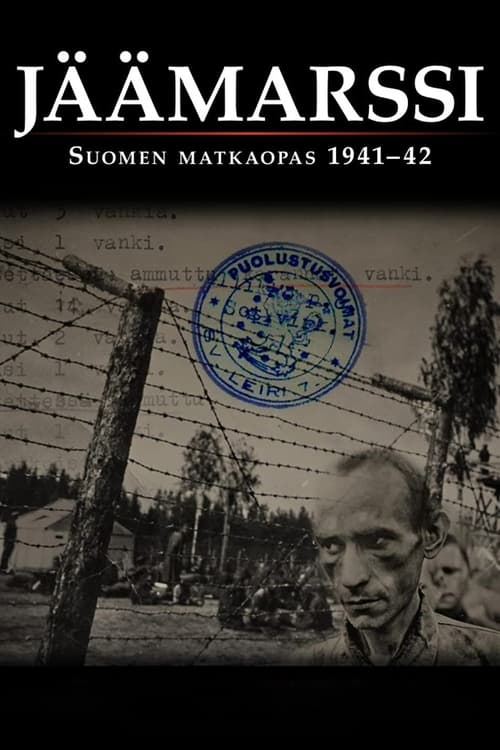
Watch Frozen Hell in streaming IPTV
Frozen Hell
Travel guide of Finland 1941-42
Overview
During the Continuation War, there were dozens of POW camps in Finland. About the third of 70,000 prisoners died during the first year of war. Most of the archives of the camps were destroyed and the majority of the war crimes were never revealed.
Genres
Cast

Vilma Melasniemi
Narrator (voice)

Eero Saarinen
Narrator (voice)
Antti Seppänen
Narrator (voice)

Antti Virmavirta
Narrator (voice)
Similar titles
Isänmaan vangit
An interview documentary about Finnish military court sentencing procedures after the Continuation War.
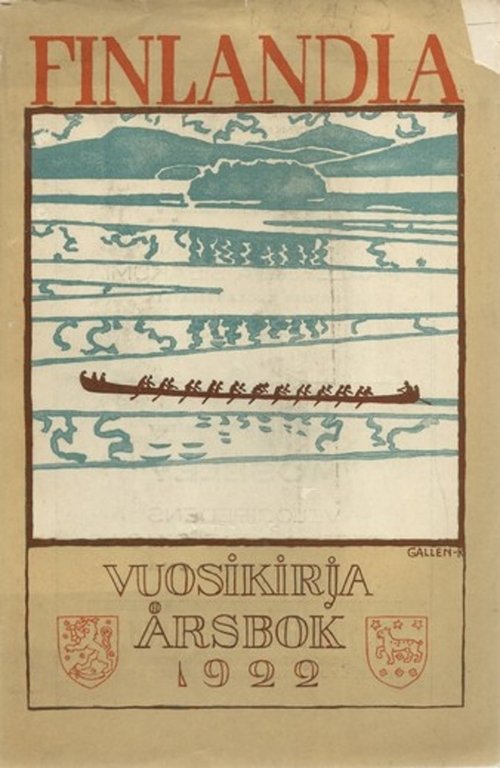
Finlandia
A documentary from Erkki Karu, one of the earliest pioneers of Finnish cinema: This government-produced propaganda film introduces the nature, sports, military, agriculture and capital of Finland.
Losing It
Tracking missing socks in the European Union.
Atlas
The concept of machine-made knit was known as early as the 1850s, but it was only during the 1920s that the quality of the material had improved. When the plant known as "Atlas" was introduced in 1931, the shop windows drew a lot of attention, and Aho & Soldan was ordered to make a promotional film. In this well-paced film, we see the jersey production step by step.
Damn Ruskies
Damn Ruskies

Why We Fight
Is American foreign policy dominated by the idea of military supremacy? Has the military become too important in American life? Jarecki's shrewd and intelligent polemic would seem to give an affirmative answer to each of these questions.
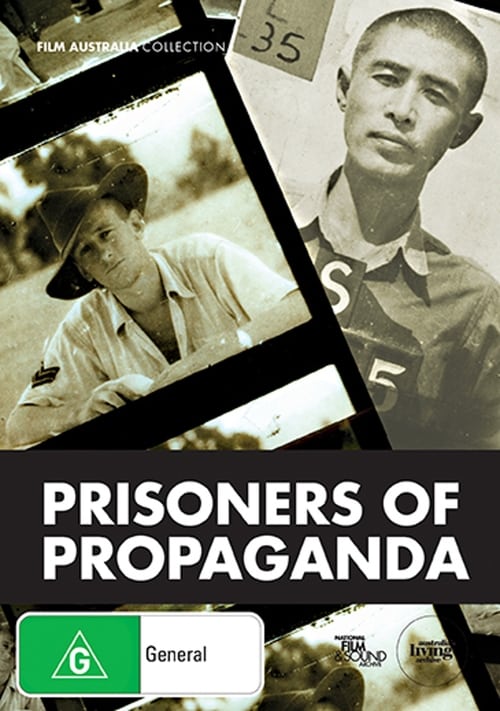
Prisoners of Propaganda
In 1943, the Imperial Japanese Secret Service made a film called Calling Australia! to show the "exemplary conditions" under which prisoners of war were kept, and to "soften up" the Australian public for the anticipated occupation of their country by Japanese forces. Prisoners of Propaganda tells why the film was made, and how it came to be forgotten.
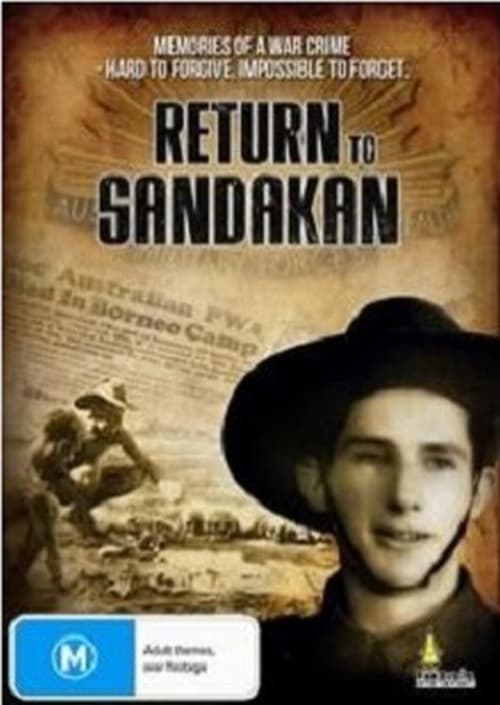
Return to Sandakan
During World War II there were nearly 2,500 Allied prisoners held in Sandakan POW camp in British North Borneo. Along with the ravages of war and the struggle to survive abject conditions, only six of these POW's were found alive when the war finally ended. In the years that followed, the horror stories of human depravity and the atrocities committed by the Japanese at Sandakan POW camp would come to light, considered by many as one of the most devastating chapters of the Pacific War.
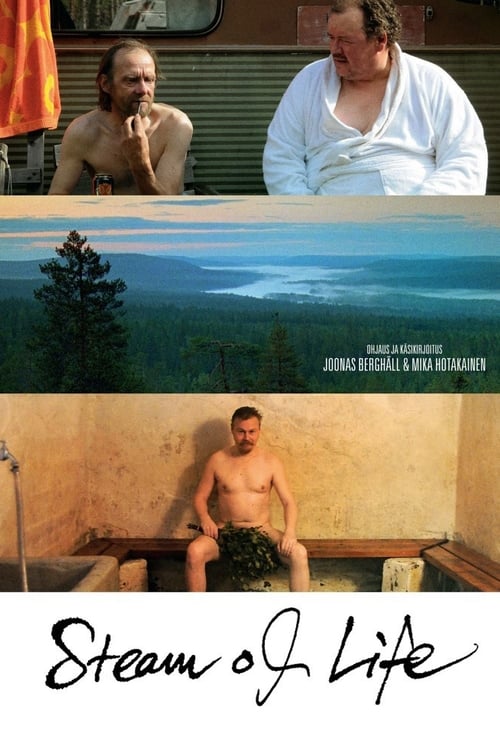
Steam of Life
Finnish men in sauna, speaking straight from the heart.
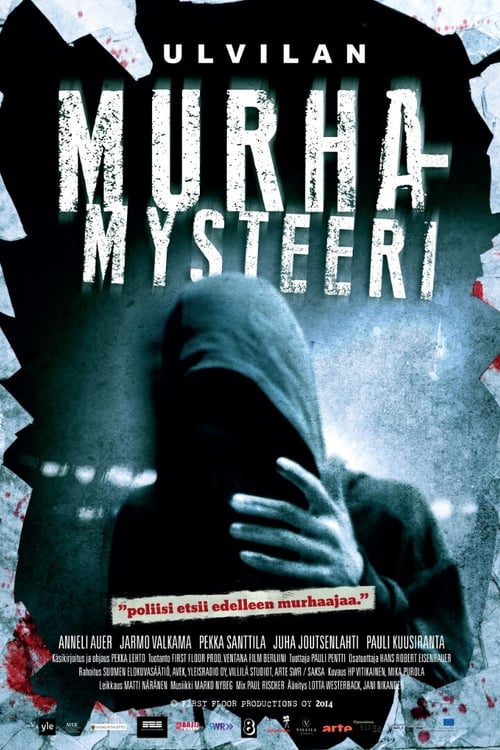
Emergency Call - A Murder Mystery
A father of four children gets brutally stabbed several times, with the children present in the family home. During the brutal action, his wife – Anneli Auer – is on the phone to the emergency center. Emergency Call – A Murder Mystery is a documentary film tracking down the story that unfolds after the fatal night. We hear from all emerging sides as the prosecution builds its case against the mother of four. A behind the scenes look into one of the most bizarre unsolved court cases in recent Finnish history.
Streaming IPTV FAQ
Can I watch this title through IPTV?
Availability depends on your IPTV provider and the rights included in your subscription. This page uses TMDB data for discovery and does not host video content.