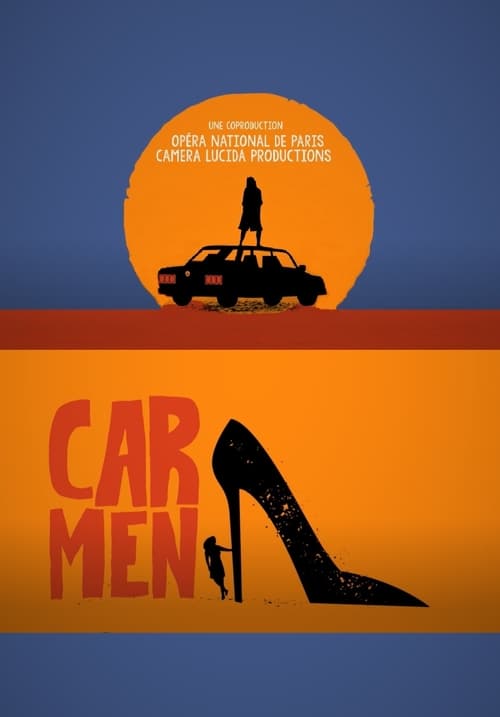
Watch Carmen - Opéra National de Paris in streaming IPTV
Carmen - Opéra National de Paris
Overview
The first words uttered by Carmen mark one of the greatest entrances in the history of opera and express all that need be said: “Love is a rebellious bird that no one can tame…” With a devilish sway of the hips and a hint of Andalusian flair, the beautiful cigar-maker sets her sights on a soldier: Don José. Fate will do the rest.
Genres
Cast
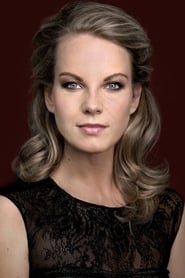
Elīna Garanča
Carmen

Roberto Alagna
Don José
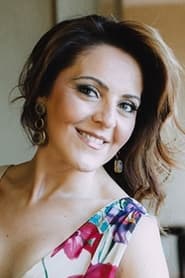
Maria Agresta
Micaëla
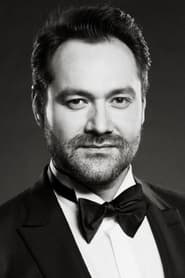
Ildar Abdrazakov
Escarmillo
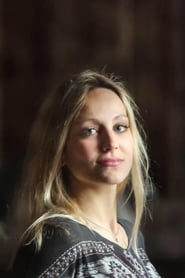
Vannina Santoni
Franquista
Antoinette Dennefeld
Mercedes
Boris Grappe
Le Dancaïre
François Rougier
Le Remendado
François Lis
Zuniga
Jean-Luc Ballestra
Morales
Similar titles
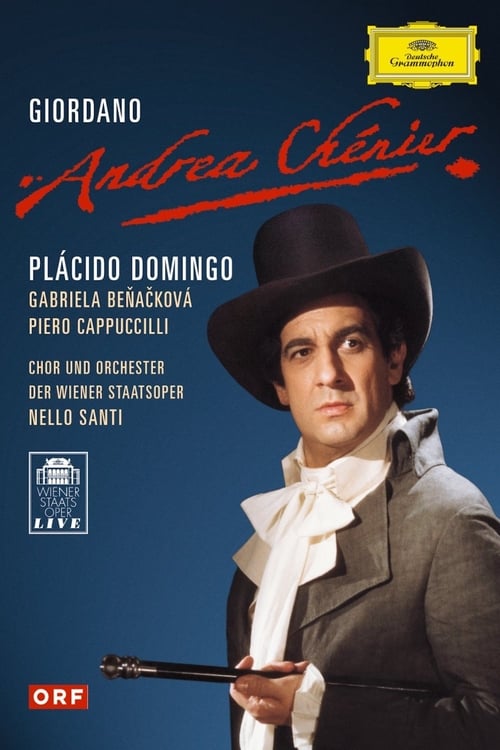
Andrea Chenier
Although Domingo was younger and Banackova looked more like the sweet and innocent young Madalena than the one played by Tomowa-Sintow in the ROH production, this production was not as good. It was not as tight and neat. The tempo set was far too slow for the time-period of the story. The stage setting was distracting. The lighting was too dark. Except Domingo, a natural actor who was always into his role and sings and acts with passion, none of the other performers came up with a convincing portrayal of the role he/she played.

Candide
Candide falls in love with the beautiful but materialistic Cunegonde. Her barron father doesn't approve of the affair so Candide wanders, meeting all the misfortunes along the way.
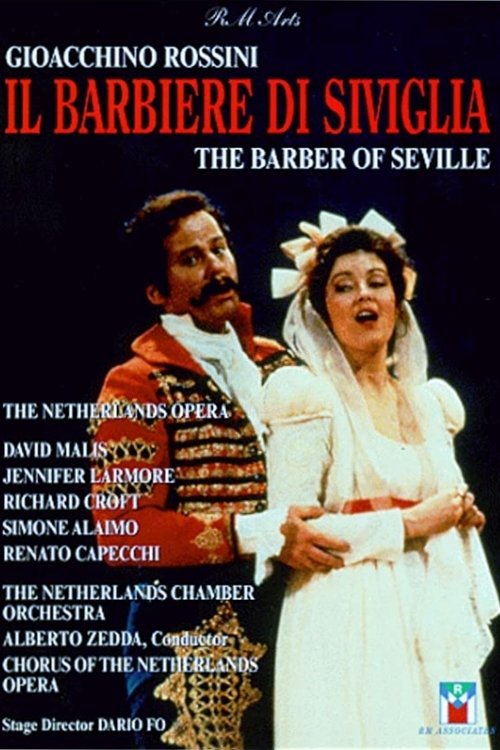
Rossini: Il Barbiere Di Siviglia
For his first opera production, Dario Fo, the theatre director known for his brilliant wit, chose to stage Rossini's Il Barbiere di Siviglia sung in Italian for the Netherlands Opera. First mounted in 1987, it was a huge success and a live recording of its revival in May 1992, the 200th anniversary of Rossini's birth, has been made. Fo has said that Rossini is the musician of eating and love. He composes music rich in herbs and aromas, in which you find olives, tomatoes, fish, grapes, roses and rosemary, sheets and tablecloths, dry wine and the laughter of girls. His Barber is a joyful carnival. During the overture he fills the stage with carnival revelers and immediately the commedia dell' arte origins of opera buffa are restored. Visual theatrics abound, never at the expense of the music, but highlighting it, engaging the eye as well as the ear. Fo addresses the heart more than the intellect and Rossini's comedy comes up dazzling and vital.
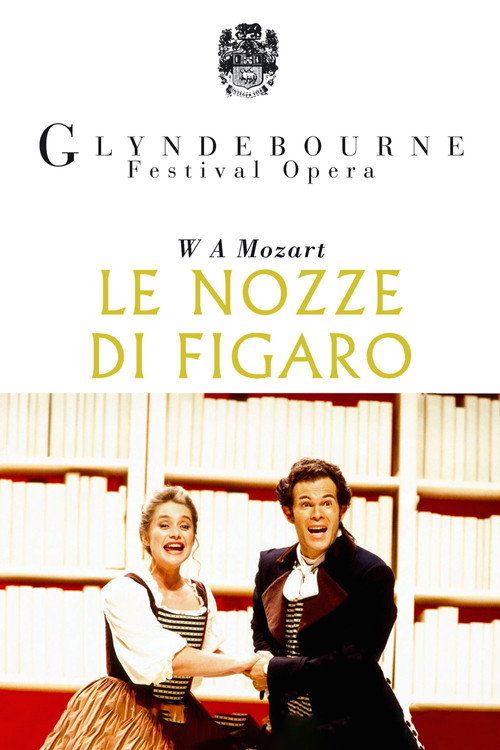
The Marriage of Figaro
Live from Glyndebourne 1994. The first production to be filmed Live in Glyndebourne´s new opera house May 1994. The Marriage of Figaro is a continuation of the plot of The Barber of Seville several years later, and recounts a single “day of madness” in the palace of the Count Almaviva near Seville, Spain. Rosina is now the Countess; Dr. Bartolo is seeking revenge against Figaro for thwarting his plans to marry Rosina himself; and Count Almaviva has degenerated from the romantic youth of Barber into a scheming, bullying, skirt-chasing baritone. This follows the Count trying to obtain favours from Susanna, Figaro’s bride to be, under the nose of the Countess.
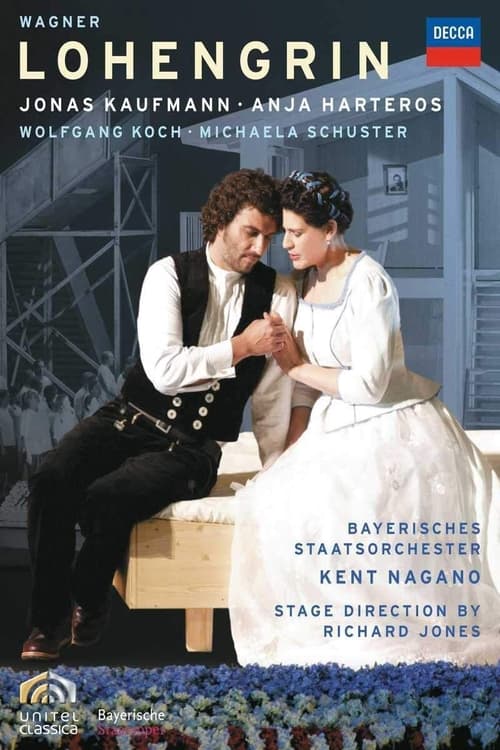
Wagner - Lohengrin
Wagner's Lohengrin is the mythical tale of the mysterious Knight of the Grail, who appears to defend the princess Elsa - wrongly accused of the murder of her brother. Highlights of Wagner's most lyrical score include the famous Wedding March, which accompanies the marriage of Lohengrin and Elsa. Superstar tenor Jonas Kaufmann ("currently the hottest tenor in opera" - The New York Times) makes his role debut in this performance from 2009 and filmed in Munich. He is joined by German soprano Anja Harteros - a former winner of the prestigious Cardiff Singer Of The World competition.
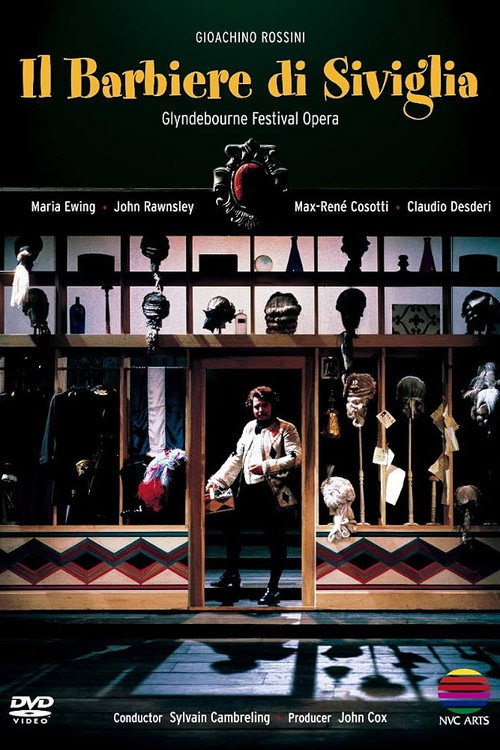
Il Barbiere di Siviglia
Live from Glyndebourne 1981

Le Comte Ory
Glyndebourne's intimate opera house provides the perfect setting for Rossini's third French opera, a sparkling medieval comedy of lust and chastity.
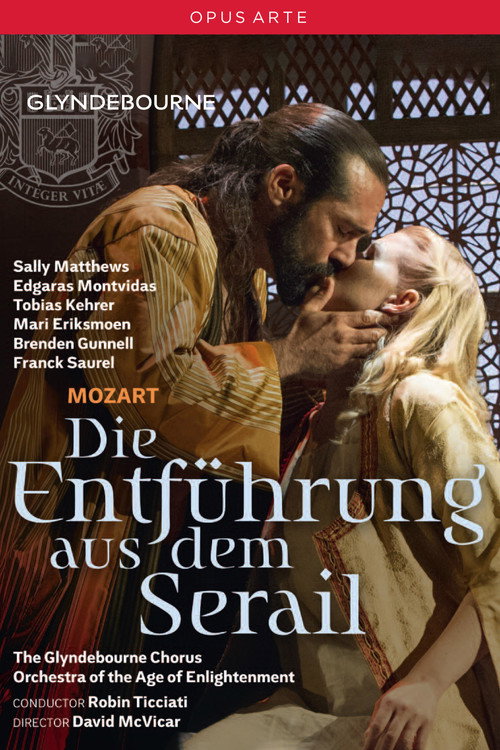
Mozart: Die Entführung Aus Dem Serail
In the 18th century, in the palace of Pasha Selim, in a purely imaginary Turkey. Belmonte, a young Spanish nobleman, is searching for his fiancée, Constance, who has been captured by pirates and sold to Pasha Selim. Blonde, Constance’s English maid, and her lover Pedrillo, Belmonte’s servant, have suffered the same fate and are at the mercy of the cruel Osmin, the seraglio’s guardian. Belmonte and Pedrillo devise a plan to rescue Constance, who is determined to die rather than succumb to the advances of Pasha Selim, who is eager to win the heart of his beautiful captive. ‘The Abduction from the Seraglio’ (‘Die Entführung aus dem Serail’ K.384) is a three-act singspiel by Wolfgang Amadeus Mozart, with a German libretto by Gottlieb Stephanie, based on the play by Christoph Friedrich Bretzner. It premiered at the Burgtheater in Vienna on 16 July 1782, conducted by the composer. Recorded live at Glyndebourne Festival, July 19, 2015.
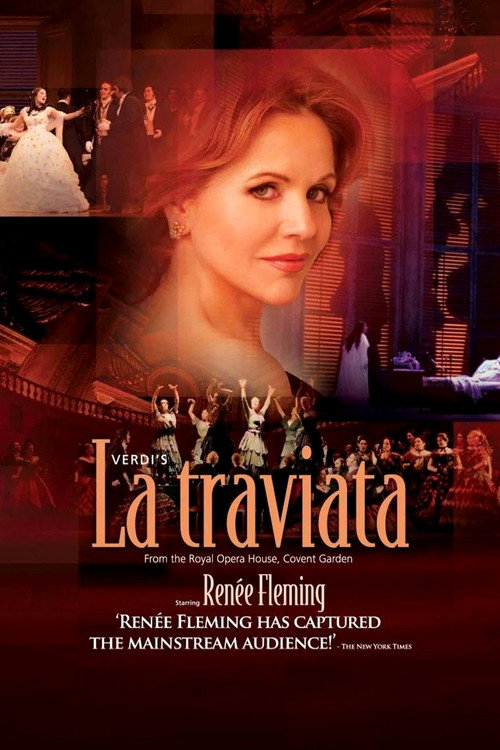
Royal Opera House: La Traviata
Renée Fleming has matured into one of the finest sopranos around at the moment, a true star with a sparkling personality and a velvet-toned voice that is capable of wringing the finest emotions out of works by Strauss and Tchaikovsky that from a lesser singer could sound rather cold and clinical. I wouldn't have thought her voice would be so well suited to Violetta Valéry in La Traviata, and it does take some getting used to, but I think she at least brings a distinct quality to the role with an emotional heart that isn't always necessarily there when a leading diva uses it primarily as a display for her vocal talents. It's served well also by Antonio Pappano's conducting of the Royal Opera House Orchestra in a traditional, but effective production by Richard Eyre.
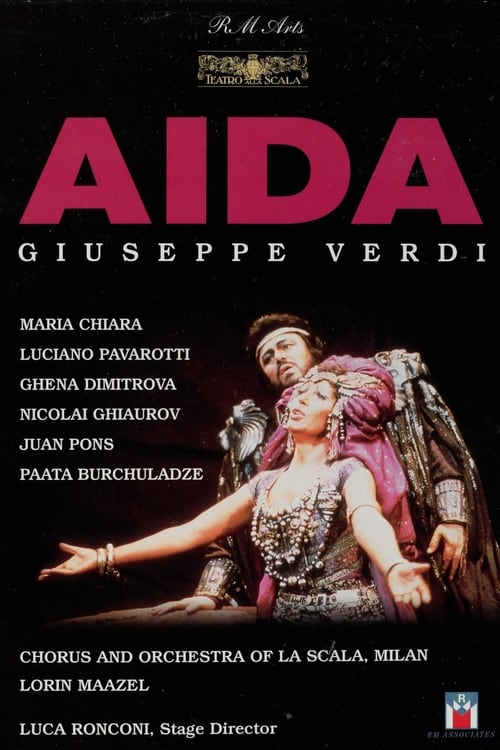
Aida
La Scala went all out for its 1986 production of this grandest of grand operas, with a strong cast and, most important for a video recording, a larger-than-life staging. The Triumph Scene in Act II is by no means Aida's only attraction, but it is the part that makes the strongest and most lasting impression and it is the visual and musical climax of this production. Stage director Luca Ronconi brings on a procession to dwarf all processions: looted treasures, heroic statuary, miserable captives struggling under the lash of whip-bearing slave drivers. On par with these visuals is Lorin Maazel's first-class performance of the popular Grand March with the outstanding La Scala chorus and orchestra. In Act III, the contrasting tranquility of the Nile Scene also gets a visual treatment to match the music's qualities.
Streaming IPTV FAQ
Can I watch this title through IPTV?
Availability depends on your IPTV provider and the rights included in your subscription. This page uses TMDB data for discovery and does not host video content.