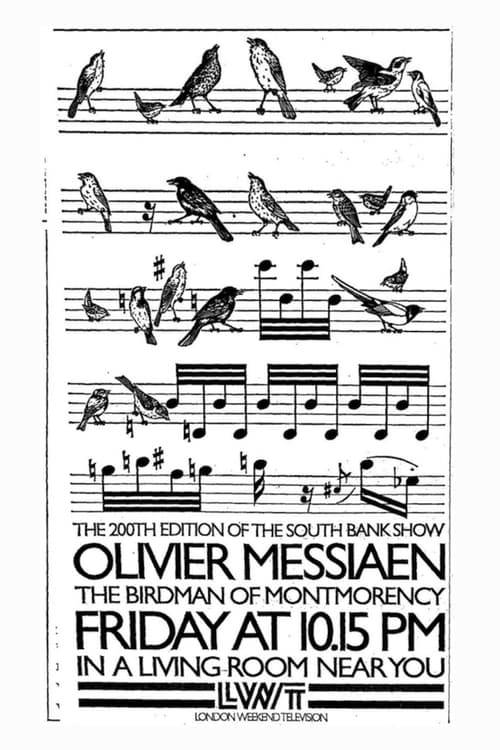
Watch Olivier Messiaen: The Music of Faith in streaming IPTV
Olivier Messiaen: The Music of Faith
Overview
Olivier Messiaen played a leading role in the evolution of 20th-century music. In this classic interview, the late composer talks on topics such as his love of nature and his fervent Christian faith, two themes that profoundly shaped his work; his views on rhythm and tonal color; his relationship with his mother, the poet Cécile Sauvage; and his professorship at the Paris Conservatoire. Film clips of Messiaen improvising on the organ and notating birdsong for his compositions—plus excerpts of his music, some of which are performed by his wife, the celebrated pianist Yvonne Loriod—provide a deeper appreciation of his special genius. (79 minutes)
Genres
Similar titles
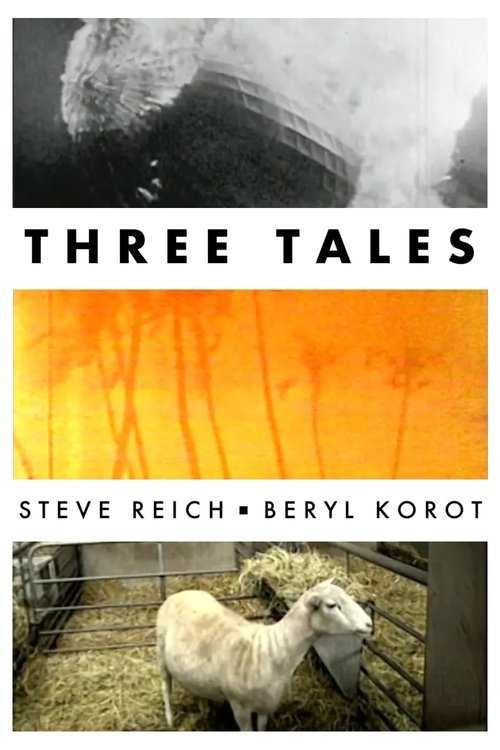
Reich: Three Tales
"Three Tales" is a video music work by American composer Steve Reich and video artist Beryl Korot. It is set in three "Acts", each depicting a technological advance of the 20th century and its negative implications on humanity: the dirigible airship Hindenburg and its explosion; the Atom Bomb and its testing on Bikini Atoll; and Dolly the sheep, first successful genetic cloning of a mammal.
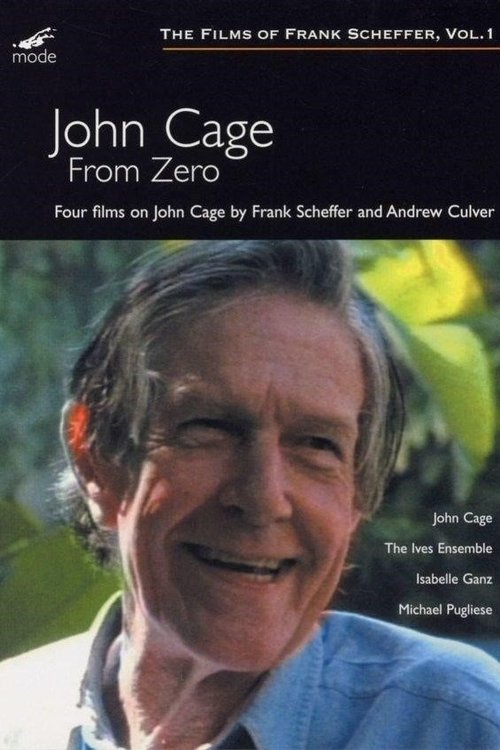
John Cage: From Zero
A fascinating study of merging form with content, broken into four shorts, each complete with opening title and closing credits: "19 Questions," "Fourteen," "Paying Attention," and "Overpopulation and Art."

K-Classics Generation
The film traces the career of some of the winners of this new generation nicknamed the "K-Classics Generation", including the 2 recent winners of the Queen Elisabeth Competition, the soprano Hwang Sumi and the violinist Lim Jiyoung. In Korea, where it all began, and in Germany where most of them have settled.
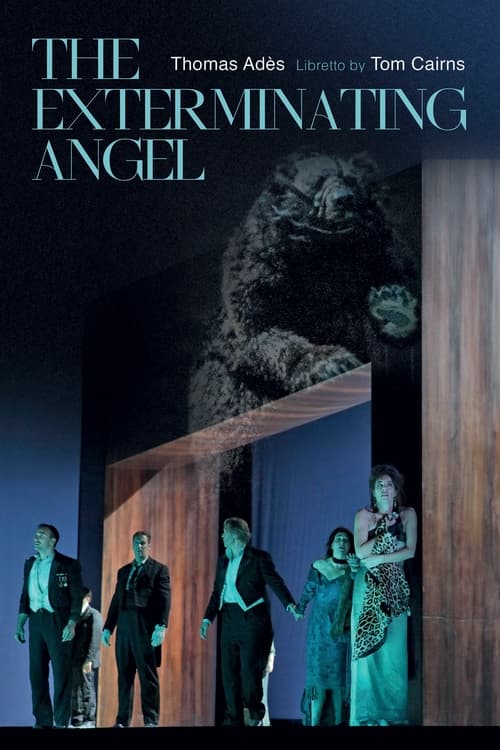
The Metropolitan Opera: The Exterminating Angel
After the acclaimed Met premiere of Thomas Adès's "The Tempest" in 2012, the composer returned with another masterpiece, this time inspired by filmmaker Luis Buñuel's seminal surrealist classic "El Ángel Exterminador", during the 2017–18 season. As the opera opens, a group of elegant socialites gather for a lavish dinner party, but when it is time to leave for the night, no one is able to escape. Soon, their behavior becomes increasingly erratic and savage. The large ensemble cast tackles both the vocal and dramatic demands of Adès's opera with one riveting performance after another. Tom Cairns, who also penned the work's libretto, directs an engrossing and inventive production, using a towering wooden archway to trap the characters onstage. And Adès himself takes the podium to conduct the frenzied score, which features a host of unconventional instruments, including the eerie electronic ondes Martenot.
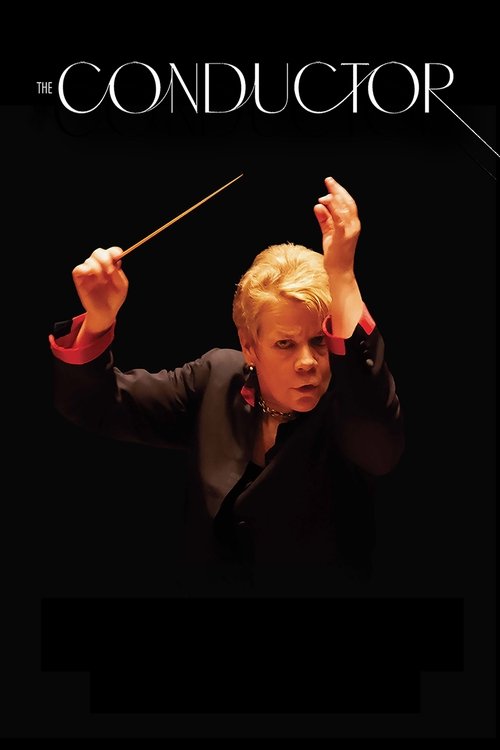
The Conductor
Leonard Bernstein’s protégée Marin Alsop reveals how she smashed the glass ceiling to become an internationally renowned conductor.

I Am Sitting in a Room
I am sitting in a room is a sound art piece by American composer and sound artist Alvin Lucier composed in 1969. The first performance of the work was in 1970 at the Guggenheim Museum in New York. In collaboration with his partner Mary Lucier. The piece features Lucier recording himself narrating a text, and then playing the tape recording back into the room while re-recording it. The new recording is then played back and re-recorded, and this process is repeated. Due to the room's particular size and geometry, certain resonant frequencies are emphasized while others are attenuated. Eventually the words become unintelligible, replaced by the characteristic resonance of the room.
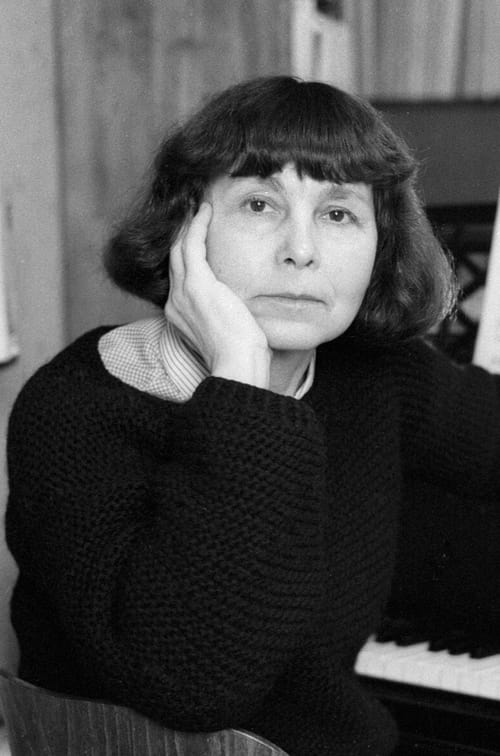
The Fire and the Rose
A documentary on the life and work of the composer Sofia Gubaidulina.

Fogo Corredor
Fogo Corredor
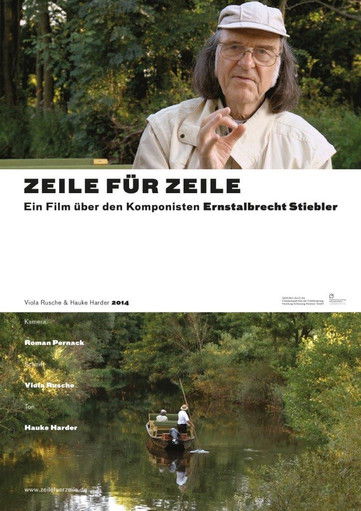
Line by Line - a film on the composer Ernstalbrecht Stiebler
A cello piece A punt ride Thoughts about music and composition The eight lines of Ernstalbrecht Stiebler’s cello piece Sequenz 2 alternating with his thoughts about slowness, space, reduction, repetition, resonance, liveliness and emotion A cinematic continuum
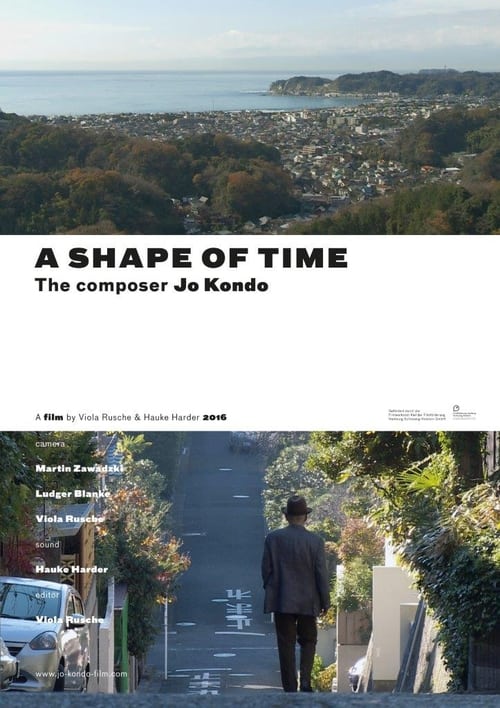
A Shape of Time - the composer Jo Kondo
Jo Kondo (*1947) is one of the most interesting composers of contemporary music in Japan. His music is composed intuitively and at the same time it is highly abstract. Without clear directionality and at the same time not without form. For a Japanese audience it sounds “Western” and in the West it is regarded “Japanese”. A music in between categories. Like Kondo’s music the film is shifting between places and directions: a concert in the Muziekgebouw in Amsterdam, an elaborate sushi bar in Tokyo, a CD-production in a Cologne radio station, the Zuisenji temple in Kondo’s neighborhood in Kamakura. Kondo wants his music to appear “normal”, without spectacular surface or narrative elements. A concept of “normality” you may also find in the films of Japanese filmmaker Yasujiro Ozu, who – like Kondo – spent most of his life in Kamakura.
Streaming IPTV FAQ
Can I watch this title through IPTV?
Availability depends on your IPTV provider and the rights included in your subscription. This page uses TMDB data for discovery and does not host video content.