
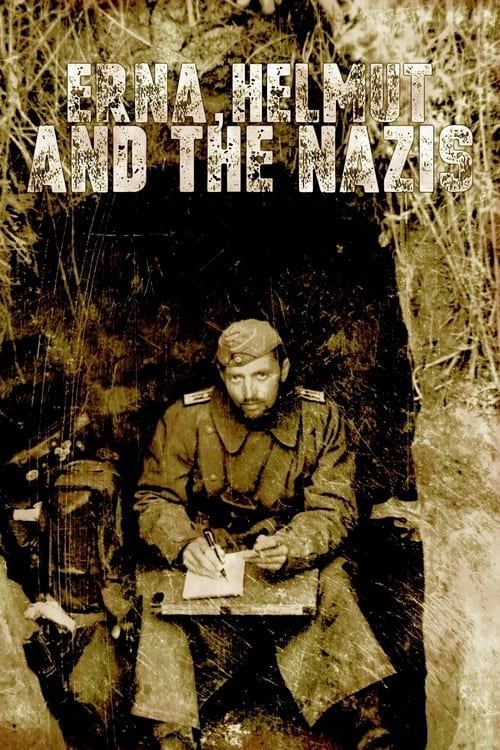
Watch Erna, Helmut and the Nazis in streaming IPTV
Erna, Helmut and the Nazis
Overview
Germany, 1929. Helmut Machemer and Erna Schwalbe fall madly in love and marry in 1932. Everything indicates that a bright future awaits them; but then, in 1933, Adolf Hitler and the Nazi Party rise to power and their lives are suddenly put in danger because of Erna's Jewish ancestry.
Genres
Cast
Michaela Kametz
Self - Narrator (voice)
Hans Machemer
Self
Thea Wilmer
Self
Ludger Terliesner
Self
Hermann Krumme
Self
Matthias Kiel
Additional Voice (voice)
Miriam Jansen
Additional Voice (voice)
Uli Auer
Additional Voice (voice)
Claudia Kaffanke
Additional Voice (voice)
Nick Gardiner
Additional Voice (voice)
Similar titles

Das Boot
A German submarine hunts allied ships during the Second World War, but it soon becomes the hunted. The crew tries to survive below the surface, while stretching both the boat and themselves to their limits.

The Man Who Invented Christmas
In 1843, despite the fact that Dickens is a successful writer, the failure of his latest book puts his career at a crossroads, until the moment when, struggling with inspiration and confronting reality with his childhood memories, a new character is born in the depths of his troubled mind; an old, lonely, embittered man, so vivid, so human, that a whole world grows around him, a story so inspiring that changed the meaning of Christmas forever.
Secret Courage: The Walter Suskind Story
Secret Courage: The Walter Suskind Story
Portrait
On their tenth wedding anniversary, painter František and his wife Jarmila return to their isolated home. While František is content with a quiet, unambitious existence, Jarmila perceives their orderly life as stagnant water rather than true living. What is intended as a private celebration becomes a pivotal moment where an unforeseen event forces František to reveal his true character through his actions.

Sheol
In a forest in eastern Poland, an archaeologist digs to bring to light the traces of the Sobibor extermination center. Thousands of objects that belonged to the victims are emerging from the ground as fragile witnesses. This research must be completed, because the construction of a new museum-memorial is beginning. How can the Shoah be commemorated on its own site, today and tomorrow, when an era without witnesses is emerging? How does the Shoah continue to work on the history and memory of Poland, of its citizens, within Europe, in a conflicting political context? The film looks at these questions by showing and hearing the voices of archaeologists, historians, architects, journalists, curators, and visitors linked to Sobibor.
The Weight Of My Name
2-channel film installation 'Die Last meines Namens', wherein Heydt deals with an unpleasant part of his own family history. Heydt’s great-grandfather was a member of the NSDAP and mayor of the small town of Haselünne in Emsland for almost 10 years during the Third Reich. Based on interviews with his grandfather and research in various archives, Heydt develops a personal perspective on the subject. The film deals with how we construct identity from oral retellings, how we process family histories, and how we can find current and personal points of access to German remembrance culture. At the heart of the work are two conversations with his grandfather Heinrich Heydt, recorded at different points in the research process. In them, the grandfather describes his memories of his father, the time, and the two reflect on the subject and the results of the research.
102 Years in the Heart of Europe: A Portrait of Ernst Jünger
102 Years in the Heart of Europe: A Portrait of Ernst Jünger (Swedish: 102 år i hjärtat av Europa) is a Swedish documentary film from 1998 directed by Jesper Wachtmeister. It consists of an interview by the journalist Björn Cederberg with the German writer, philosopher and war veteran Ernst Jünger (1895-1998). Jünger talks about his life, his authorship, his interests and ideas. The actor Mikael Persbrandt reads passages from some of Jünger's works, such as Storm of Steel, The Worker, On the Marble Cliffs and The Glass Bees.

Five Came Back
The extraordinary story of how Hollywood changed World War II – and how World War II changed Hollywood, through the interwoven experiences of five legendary filmmakers who went to war to serve their country and bring the truth to the American people: John Ford, William Wyler, John Huston, Frank Capra, and George Stevens. Based on Mark Harris’ best-selling book, “Five Came Back: A Story of Hollywood and the Second World War.”
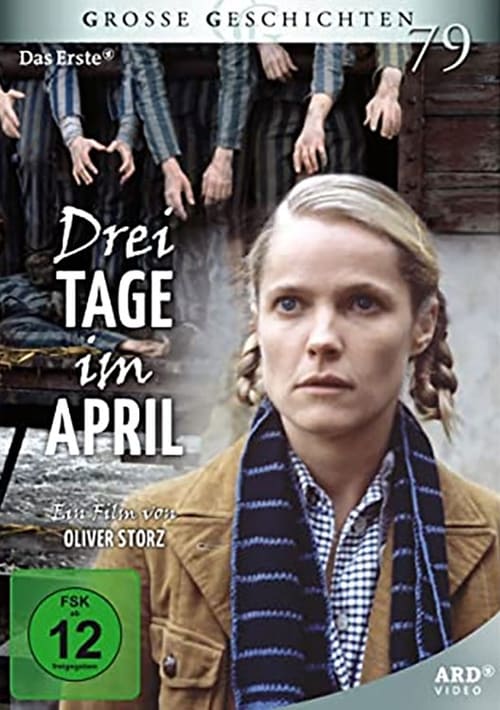
Drei Tage im April
Shortly before the end of the war in 1945, the Allies can already be heard in Nesselbühl in Swabia when three freight cars are uncoupled at the station. The screams of the starving concentration camp prisoners inside can be heard throughout the village, but nobody dares to help them. Only the innkeeper's daughter Anna takes heart...
A Prayer for Katerina Horovitzova
A group of wealthy American Jewish businessmen have been captured by the SS and are told that they are to be traded to the American army for several SS officers. However, these hostages are being required to pay bribes for their "transportation costs." In order to ensure that the businessmen will be more cooperative in paying up, a beautiful female singer is placed in their midst as a bargaining chip. The group of hostages are then placed on a train which is supposed to take them to the ship that will deliver them to freedom, but a series of "mishaps" delays their escape.
Streaming IPTV FAQ
Can I watch this title through IPTV?
Availability depends on your IPTV provider and the rights included in your subscription. This page uses TMDB data for discovery and does not host video content.