Watch Mao: Seize the Day, Seize the Hour in streaming IPTV
Mao: Seize the Day, Seize the Hour
Overview
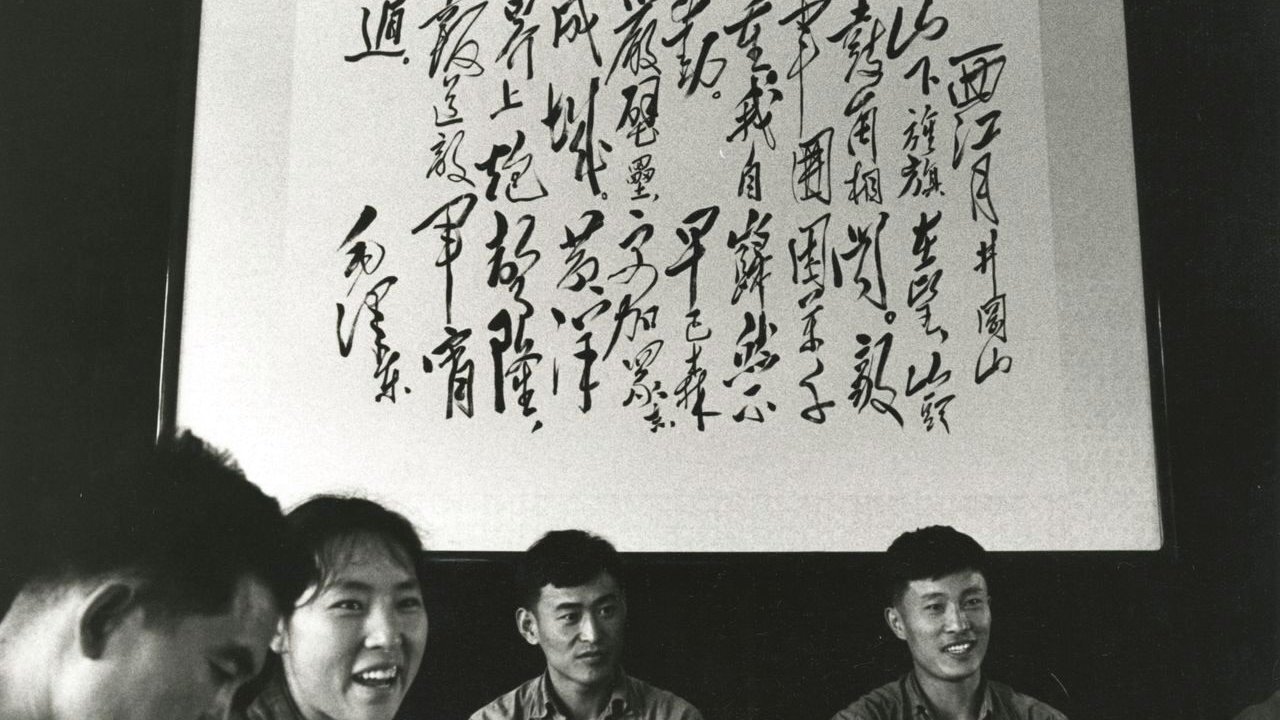
Mao Zedong was not only a revolutionary leader and thinker, he was also a poet. In poems written in the classic calligraphic tradition he expresses his experiences and visions. In this film, 8 of Mao's poems are sung, recited and interpreted: 'Changsha' (1925), 'Jinggang Mountains' (1928), 'The Long March' (1935), 'Snow' (1936), 'The People's Liberation Army Captures Nanjing' (1949), 'Swimming' (1956), 'Reply to Comrade Guo Moruo' (1961) and 'Reascending Jinggang Mountains' (1965). Through these poems we get a picture of the Chinese revolution from its first beginning in 1921 until the Cultural Revolution. The poems of Mao Zedong have been published in more than 57 million copies
Genres
Similar titles
I Am Big Bird: The Caroll Spinney Story
A documentary about Caroll Spinney who has been Sesame Street's Big Bird and Oscar the Grouch since 1969. At 78-years-old, he has no intention of stopping.
Redefining China's Family: Women
10 May 2007 - China's staggering economic growth has overshadowed a more subtle shift in Chinese society. In domestic life, many women are now ignore the advice of their mothers and grandmothers, turning instead to counselling hotlines and, increasingly, divorce.
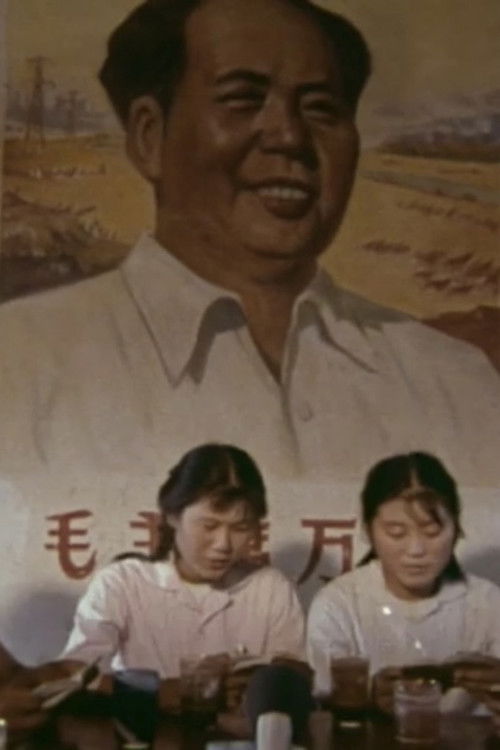
Red Guards after The Cultural Revolution
Red Guards were a student movement supported by Mao Zedong in 1966-67 during the Cultural Revolution. A group of students at Qinghua University who issued 2 big-character posters in May-June 1966 called themselves Red Guards. The students criticised the university administration of elitism and bourgeois tendencies. In August 1966 Mao Zedong expressed support for the Red Guards. This gave the student movement political legitimacy and it spread outside Beijing. The Red Guards started to attack the Four Olds and marched across China to eradicate old ideas, old cultures, old customs and old habits. Ultimately the struggle between different Red Guard factions led to a chaotic civil-war-like situation. During 1967-68 the Peoples Liberation Army got the movement under control and restored social order. Beginning late 1968 members of the Red Guard movement were sent to the countryside to undergo re-education. We met and filmed them in August 1971.
How China Got Rich
Over the last 40 years, China has been transformed out of all recognition. The scale of its growth and the sheer speed of change has been astonishing. The country has seen the largest lifting of people out of poverty that has ever taken place in human history. How did an impoverished and backward communist country become an engine of global capitalism? What lies ahead for this economic behemoth?
Jackie Chan Edition: Seine spektakulärsten Kämpfe
Jackie Chan Edition: Seine spektakulärsten Kämpfe
Taiwan: A Digital Democracy in China's Shadow
One Country, Two Systems? No Way! say the youth of Taiwan. But China under President Xi Jinping wants more than ever to bring the island of Taiwan back into the fold, just like Hong Kong. Can the burgeoning democracy on China’s doorstep, driven by digital technology, resist the Middle Kingdom’s advances? To China Taiwan is a breakaway province that must return to the fold. To its 24 million inhabitants it is a sovereign state with its own constitution and democratically elected leaders. Now that Hong Kong has been brought into line, Taiwan remains determined to stand up as a vibrant, young democracy. But it won't be easy. Since the Sunflower Movement in 2014 when the young came out to prevent an economic agreement with China, citizen groups have been fighting for the transparency of institutions.
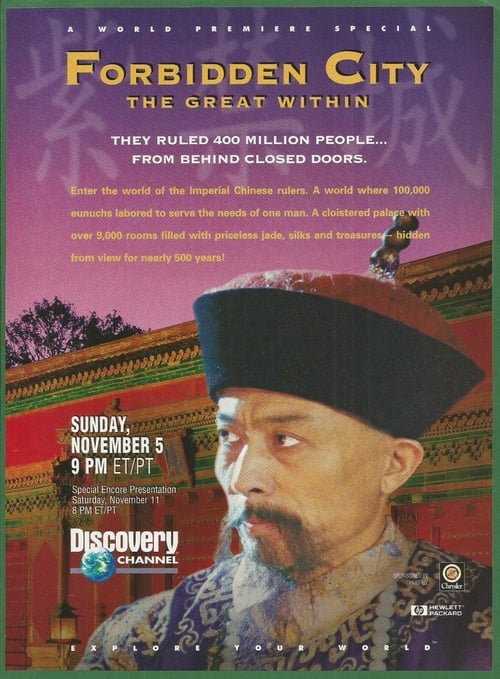
Forbidden City: The Great Within
Amidst the grand walls of the Forbidden City, the film takes us on a deep journey through the ceremonial life of the Chinese emperor, unveiling the secrets and intrigues of concubines, eunuchs, and palace maids. As the West begins to influence China in the late 19th century, the dynamics within the city shift dramatically. The film highlights the preservation and restoration of invaluable treasures and paintings, culminating in the creation of the Palace Museum. With insights from renowned China scholar, Jonathan Spence, this is an intimate exploration of the rich cultural and historical tapestry that makes up the heart of ancient China.
Kampf um Tibet
Kampf um Tibet
Tibet Les nourritures spirituelles
Tibet Les nourritures spirituelles
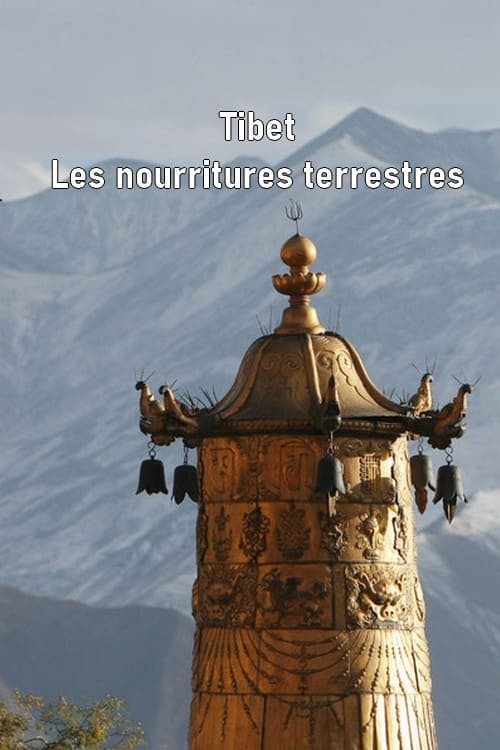
Tibet - Les nourritures terrestres
Tibet - Les nourritures terrestres
Streaming IPTV FAQ
Can I watch this title through IPTV?
Availability depends on your IPTV provider and the rights included in your subscription. This page uses TMDB data for discovery and does not host video content.