
Watch Das Plakat - Die Geburt der modernen Werbung in streaming IPTV
Das Plakat - Die Geburt der modernen Werbung
Overview
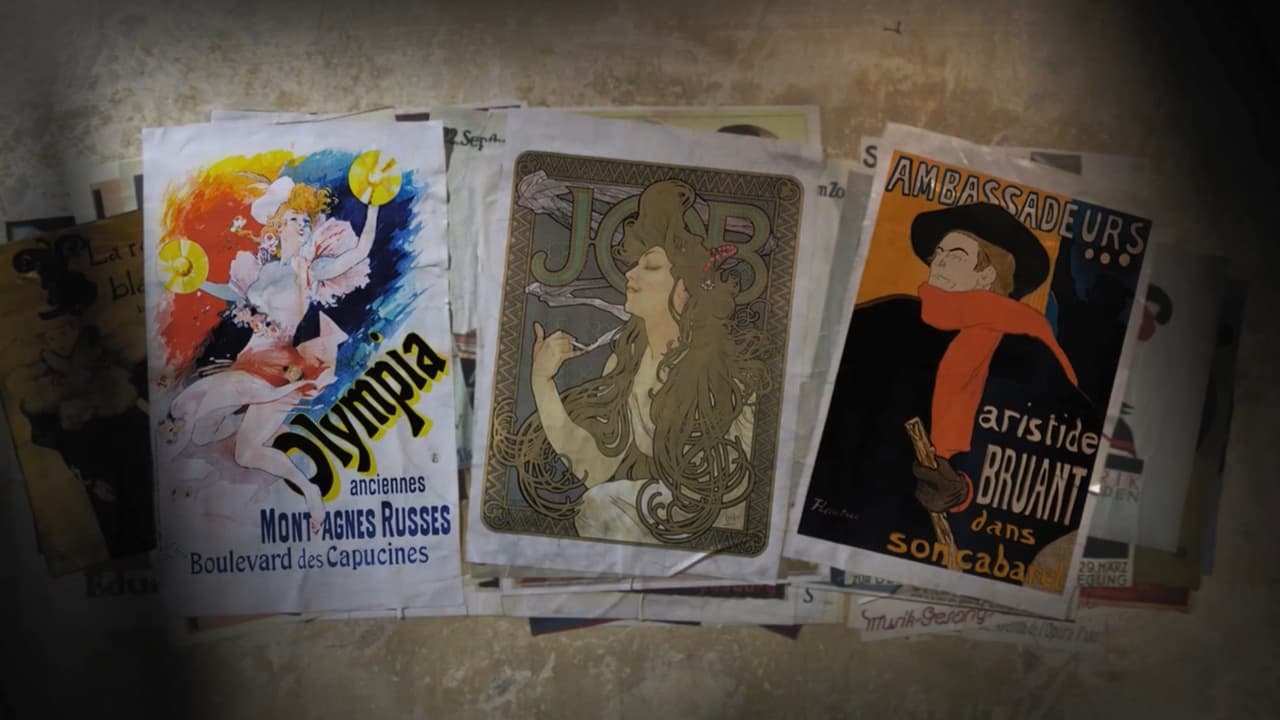
Advertising: Colorful and projected on a large scale. The new era begins at the beginning of the 20th century in Berlin, Munich and Vienna. Lucian Bernhard, Ludwig Hohlwein and Julius Klinger put the products of industrialization in a new light: cars and cigarettes, fashion and cosmetics. The story of the three exceptional graphic artists and how their poster art revolutionized advertising.
Genres
Cast
Jürgen Doering
self
René Grohnert
self
Roland Gruschka
self
Steve Heller
self
Juliet Kinchin
self
Peter Klinger
self
Anita Kühnel
self
Hellmut Rademacher
self
Hubert Riedel
self
Anne von Karstedt
self
Similar titles
Helvetica
Helvetica is a feature-length independent film about typography, graphic design and global visual culture. It looks at the proliferation of one typeface (which will celebrate its 50th birthday in 2007) as part of a larger conversation about the way type affects our lives. The film is an exploration of urban spaces in major cities and the type that inhabits them, and a fluid discussion with renowned designers about their work, the creative process, and the choices and aesthetics behind their use of type.
Pitch People
The art of the "pitch" and its role in society, as told by many of the pitch industry's greatest salesmen, including Arnold Morris, Sandy Mason, Lester Morris, Wally Nash and Ed McMahon as well as a look at the Popeil family.
X-Rated: The Ads They Couldn't Show
Every year, thousands of commercials are made that never reach our TV screens, deemed too shocking to see. In order to make it onto the screen, they must clear all manner of obstacles, from fussy clients to obsessive regulators and restrictive rights issues. X-Rated takes a look at these outlawed pieces of advertising, revealing the most explicit, controversial and shocking ads never seen. These are ads that break all manner of taboos, from sex, violence, blasphemy, homosexuality, animal cruelty, rapping pensioners, swearing children, suicidal toys and naked athletes to Kylie in her undies on a bucking bronco. Amongst the contributors are advertising executives, producers and censors. The programme also takes a look at the embarrassing world of western celebrities in Japanese ads.
The Real Saatchis: Masters of Illusion
Featuring interviews with Sir John Hegarty, Lord Tim Bell and Robert E. Jacoby, The Real Saatchis: Masters of Illusion chronicles the rise and fall of Britain's largest advertising agency,

The Atomic Cafe
A disturbing collection of 1940s and 1950s United States government-issued propaganda films designed to reassure Americans that the atomic bomb was not a threat to their safety.
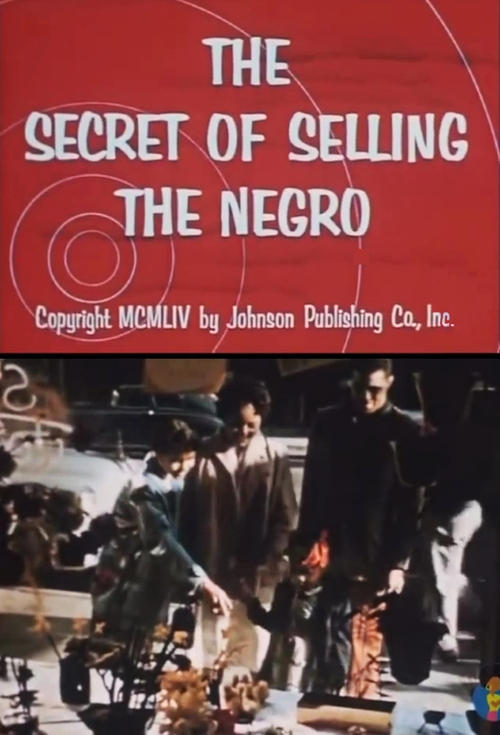
The Secret of Selling the Negro
Film commissioned by the Chicago-based publisher of Negro Digest, Ebony, Tan, and Jet to encourage advertisers to reach out to African American consumers. The Secret of Selling the Negro depicts the lives, activities, and consumer behavior of African American professionals, students, and housewives. A Business Screen reviewer noted that the film focused on the “bright positive” aspects of the “new Negro family.” The sponsor issued a companion booklet offering the “do’s and don’ts of selling to the Negro.”

Juzo Itami: The Man with 13 Faces
A documentary about the legendary Japanese filmmaker.

The Corporation
Since the late 18th century American legal decision that the business corporation organizational model is legally a person, it has become a dominant economic, political and social force around the globe. This film takes an in-depth psychological examination of the organization model through various case studies. What the study illustrates is that in the its behaviour, this type of "person" typically acts like a dangerously destructive psychopath without conscience. Furthermore, we see the profound threat this psychopath has for our world and our future, but also how the people with courage, intelligence and determination can do to stop it.

Art & Copy
The personal odysseys of some of the most influential advertising visionaries of all time and the stories behind their campaigns.
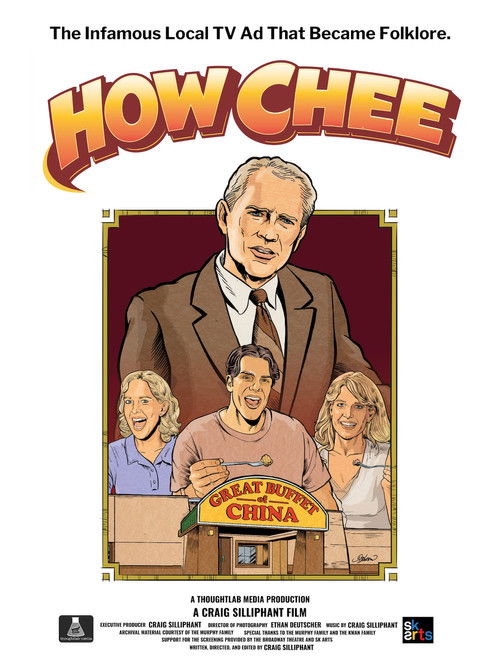
How Chee!
From 1996 to 1998, a low-budget TV commercial for Saskatoon’s Great Buffet of China aired relentlessly. Featuring a Caucasian pitchman introducing the phrase “How Chee” and a group of amateur young actors repeating it, the ad became infamous. Some laughed. Others cringed. Many called it the worst commercial ever made. Thirty years later, it still resurfaces—at one point even going viral in China. How Chee! explores the unlikely origins of the ad, the friendship between an immigrant restaurant owner and the professor who tried to help save his business, and the now-adult actors who became locally famous long before going viral was a thing.
Streaming IPTV FAQ
Can I watch this title through IPTV?
Availability depends on your IPTV provider and the rights included in your subscription. This page uses TMDB data for discovery and does not host video content.