
Watch Jobs for All! in streaming IPTV
Jobs for All!
How work works
Overview
A highly choreographed review of the Industrial Age as we know it today – an intense and playful roller coaster ride that demands the viewer confronts how “work works.” Culled entirely from archival footage, the film unfolds in the filmmakers’ trademark, and humorously critical, cinematic voices.
Genres
Similar titles

Open files
A more experimental aproach to labor protection films. In the line of Săucan's style, the soundtrack is as important as the image, the threatening music, full of shrillness, composed by Ion Dumitrescu potentiating the visual construction that mixes - in a montage reminiscent of the Soviet avant-garde school of the 1920s - all kinds of shooting techniques and frame combinations.
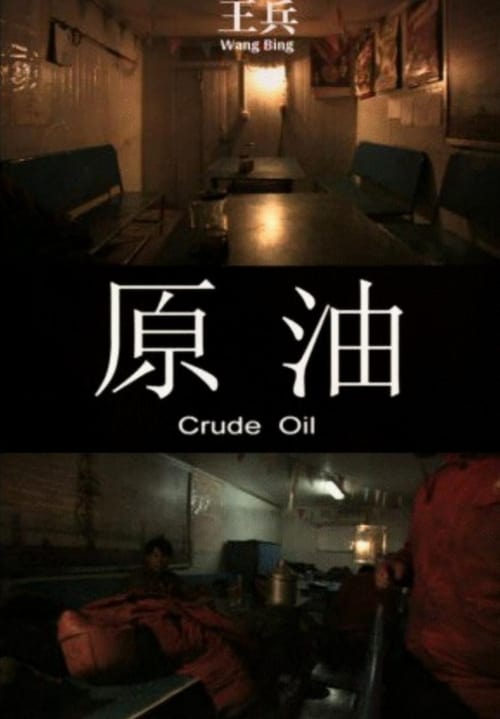
Crude Oil
Filmed in the Inner Mongolian portion of the Gobi Desert, this film follows a group of oil field workers as they go about their daily routine.

In retrospect
Immigrant workers build a shopping mall for the upcoming 1972 Olympic Games in Munich. In 2016, nine people with migrant backgrounds are killed in a racist attack at the same mall.
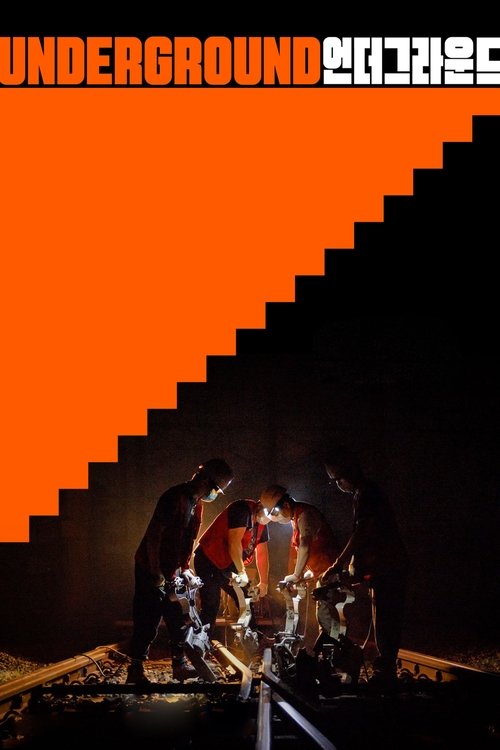
Underground
Numerous people are on subway trains running up and down the city center endlessly. There are people who run this decent space “underground”. Under the noisy world today, we approach them to see what life is like underground.
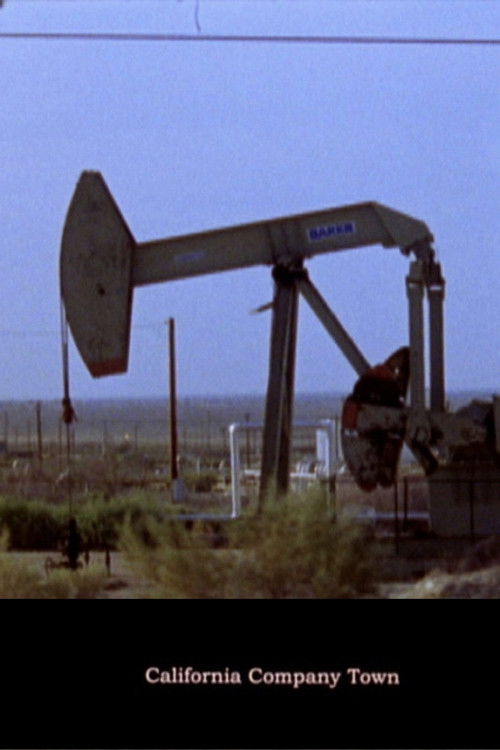
California Company Town
Lee Anne Schmitt explores California's landscape and past to document the history of one-time boom towns built and abandoned by the industries that necessitated their creation. Sold as a limitless land expansive with free opportunity, California was actually, from its onset, fissured by the interwoven needs of private and public interests. Schmitt's film covers various locations through time, as the major industries of the early 20th century (mining, lumber, oil) give way to the military, eventually leading to multinational corporations, and the use of small towns as satellites for growing urban metropolises.
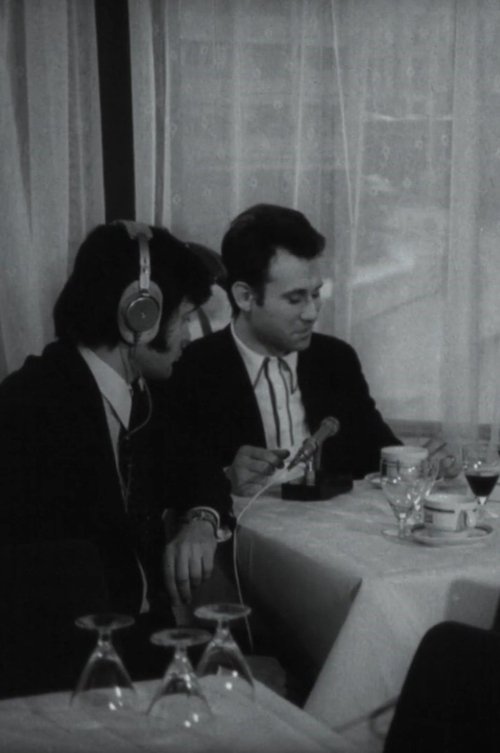
Winter of a slacker
At the beginning of the 70s, Sahia Studio produced a number of social investigations commissioned by the Central Committee of the Romanian Communist Party, intended to expose the so-called "social parasitism". The decision was taken after the theses of July 1971, which provide that "one of the main objectives of political work, especially among the youth, is the firm fight against the tendencies of parasitism, of an easy life, without work, the cultivation of responsibility and the duty to work , in the service of the country, the people, the socialist society". The most famous films, made with the competition of the Ministry of the Interior and the Ministry of Justice, are Să treacă vara and Iarna unor pierde vară
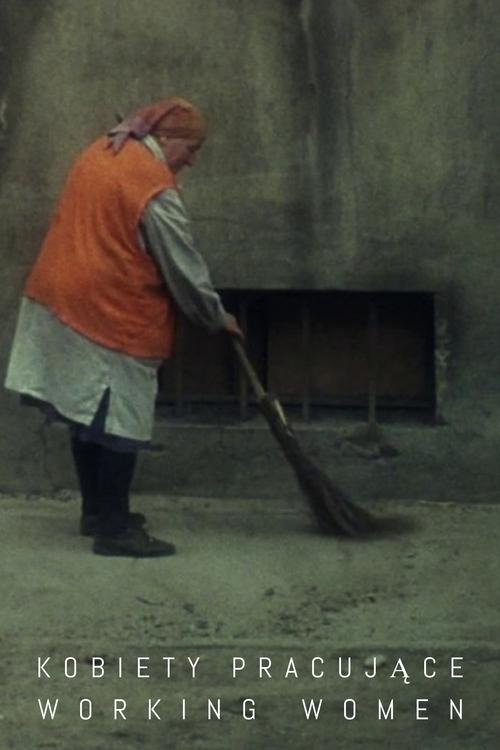
Working Women
Stylized with dramatic interiors and a distorted frame rate, this early documentary miniature from Szulkin depicts six sequences of solitary, repetitious labor.

On the Other Side
The oldest Quebecois Benedictine convent open its gates to a documentary filmmaker for the first time. Observed up close, life behind its walls is busier than one would expect. About twenty cloistered nuns, most of them over 70, share their daily life with diligence and humor. A contemplative portrait of a community of sisterhood and solidarity emerges, punctuated by prayer, work and games evenings.

The Emotional Society On Stage
A dance, expressed with interviews of people with jobs such as a daycare teacher, call center employee and cashier. The film reveals reality of the controlled emotion behind the kind ‘smile’ of the jobs.

Enfumés, j'ai infiltré l'industrie de la vape
Enfumés, j'ai infiltré l'industrie de la vape
Streaming IPTV FAQ
Can I watch this title through IPTV?
Availability depends on your IPTV provider and the rights included in your subscription. This page uses TMDB data for discovery and does not host video content.