Watch Song Remains the Same in streaming IPTV
Song Remains the Same
Overview
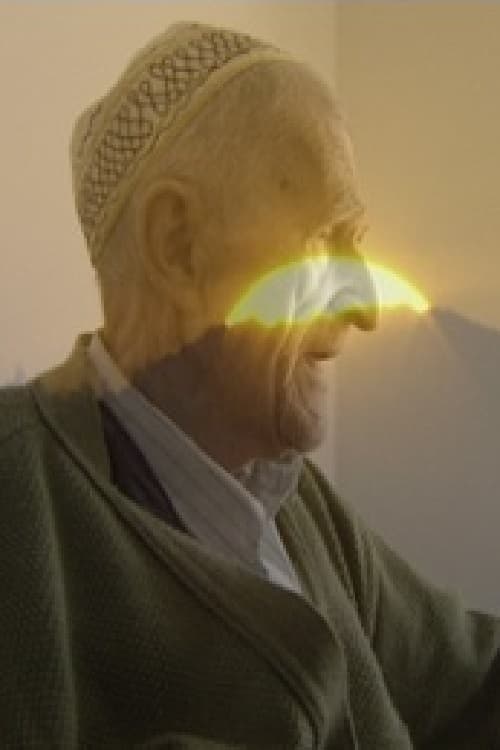
Hamdija Šahinpašić (1914-2003) was one of those rare individuals able to memorize songs in their authentic traditional form. Šahinpašić belonged to a family known for its songs. In the early 1950's, Miodrag A. Vasiljević recorded Šahinpašić singing dozen of songs at the Serbian Academy of Arts and Sciences in Belgrade. A 1967 publication finally included 300 of his songs, published bilingually in Bosnian and Russian. Šahinpašić himself become the focus of attention of numerous ethnomusicologists and folklorists and his repertoire was preserved on recording of good quality.
Genres
Cast
Hamdija Šahinpašić
Self
Similar titles
Bosnia!
The carnage in Sarajevo provides the focus of this French documentary which seeks to call attention to the terrible conflict in the hopes of finally ending it. The film is divided into five parts. Each part covers a time frame ranging from April 4, 1992, the beginning of the war, to the present. The major issues that occur are three-fold. It depicts the systematic genocide of Bosnians, the silence of Western countries, and the determination of the Bosnians to resist. They refuse to be seen as victims, even though the filmmakers portray them so. Also included are the origins and political aspects of the war. It offers interviews with participants. It also reveals how the U.S. State Department censored reports about Serbian death camps.
Pour the Water as I Leave
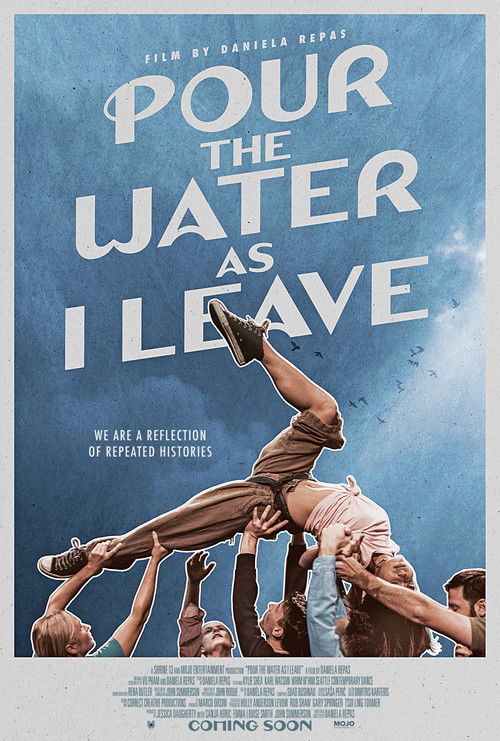
A surreal exploration of the war in Bosnia told through the unbreakable spirit of seven of her people whose strength to leave was as powerful as the fight to stay. Through the lens of diaspora, the film captures not just the weight of displacement, but the defiant act of survival and the unwavering pursuit of home, no matter where the journey leads.
Il respiro di Sarajevo
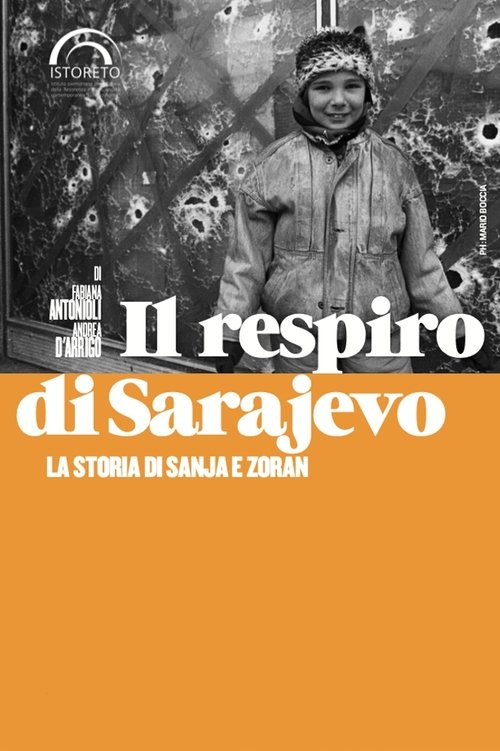
The extraordinary story of Sanja and Zoran, a couple who in 1993 fled and survived the siege of Sarajevo, the longest war in 20th century history, to find refuge in Italy, in Turin. In their life experience, past and present come together to give voice to friendship and hope, reflecting on war, prejudice, tolerance and acceptance.
Концерт
Концерт
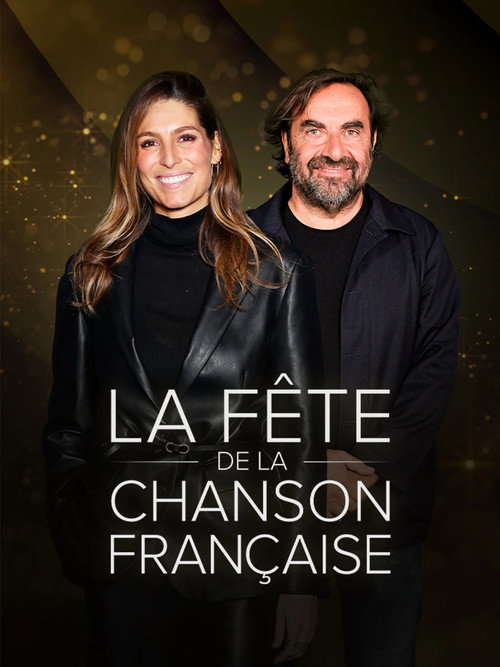
La fête de la chanson française - 20 ans d'émotions
La fête de la chanson française - 20 ans d'émotions
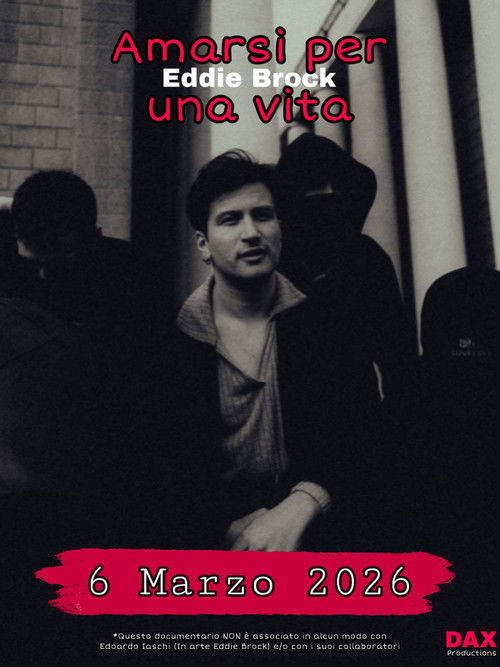
Loving forever
Edoardo Iaschi (known as Eddie Brock) is an Italian indie singer born and raised in Rome. When his song “Non è mica te” unexpectedly goes viral on TikTok, Edo is thrust into the spotlight and forced to confront the realities of adulthood, fame, and a world far bigger than he ever imagined…
Vita Napoletana
A variety film consisting of 13 solo songs and two musical sketches, one comedic, the other serious, all in the Italian language but made entirely in the USA by members of the Italian-American community in New York. Missed by the American Film Institute and IMDb, information was found in the New York State Archives' files from that state's old censors' office.
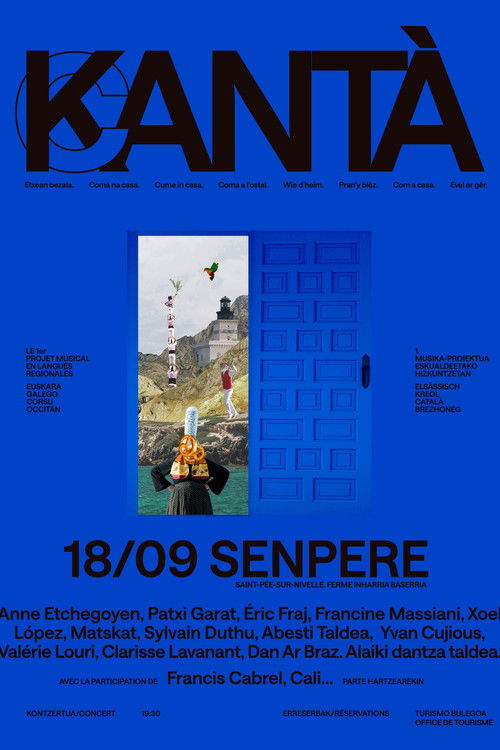
K Canta, nos régions en chansons
K Canta, nos régions en chansons

Michel Sardou : Je me souviens d'un adieu
Michel Sardou : Je me souviens d'un adieu
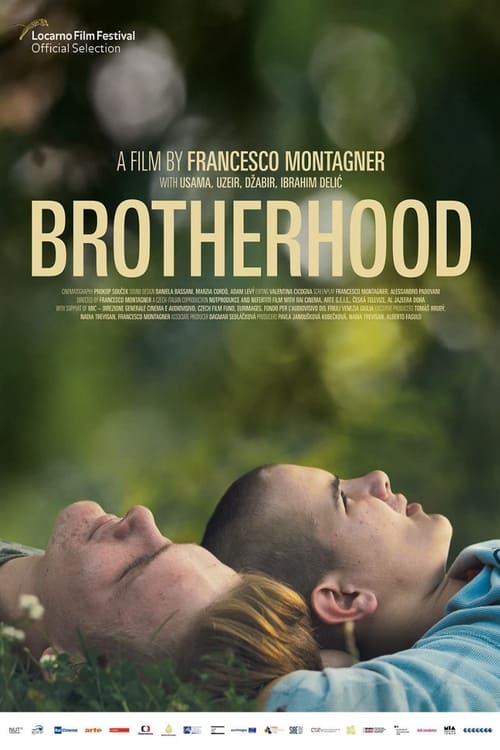
Brotherhood
Jabir, Usama and Uzeir are three young brothers in a Sunni family of shepherds. Since childhood, their father Ibrahim has rigidly trained them in the principles of the Quran and has filled their minds with stories of the Bosnian War.
Streaming IPTV FAQ
Can I watch this title through IPTV?
Availability depends on your IPTV provider and the rights included in your subscription. This page uses TMDB data for discovery and does not host video content.