Overview
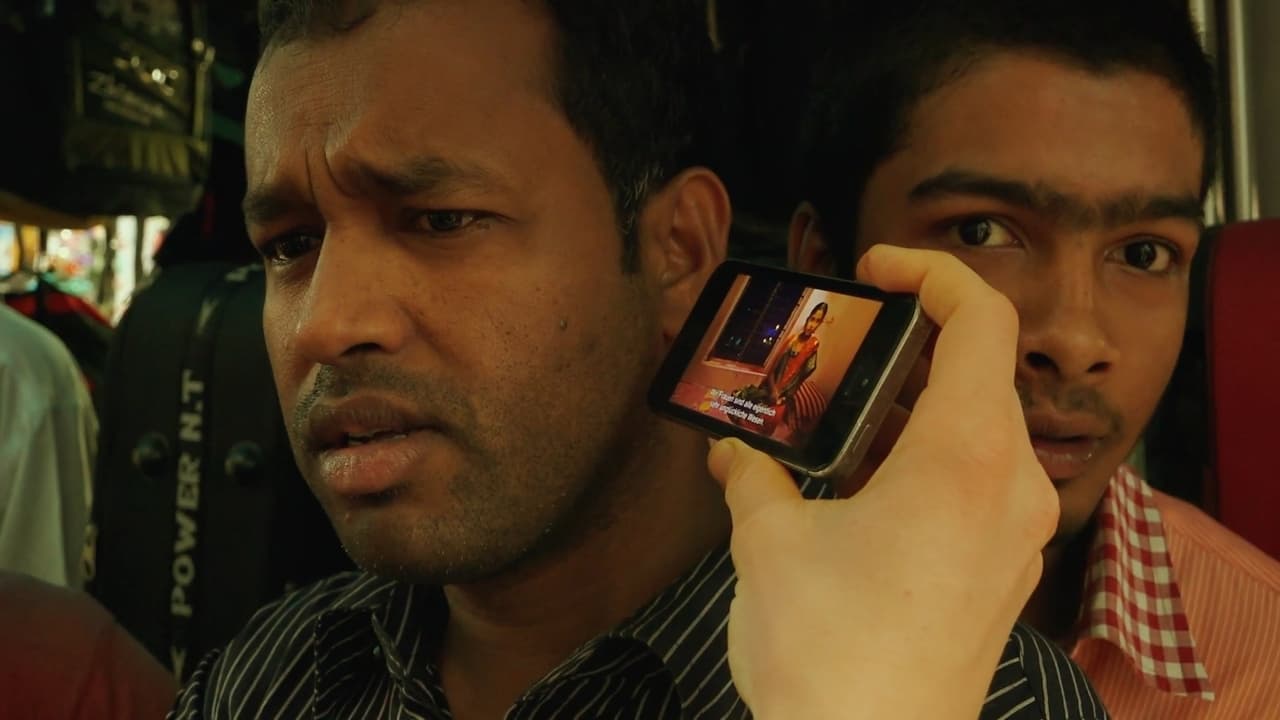
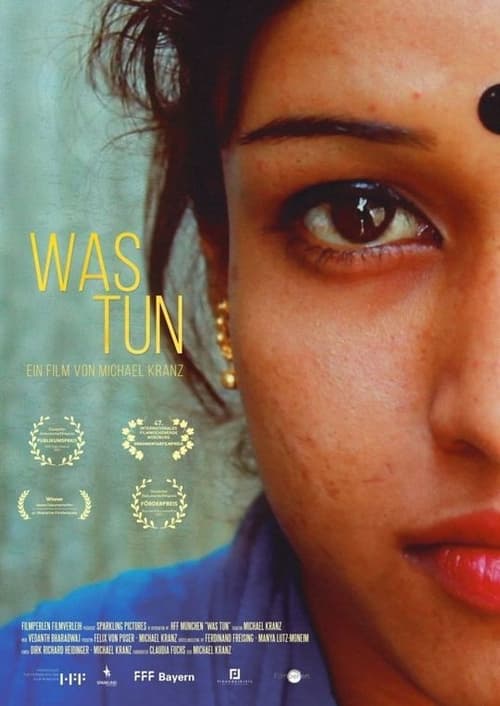
Faced with a documentary film that included an interview with a young girl forced into prostitution, Michael Kranz asked himself the apparently banal question of “what can be done?” He travelled to Bangladesh and began to search for the girl. A film that is both self-critical and critical of society about the desire to at least do something and not to simply and passively give in to the injustices in this world.
Genres
Cast

Michael Kranz
Monika Padma
Similar titles
Chars in Bangladesh
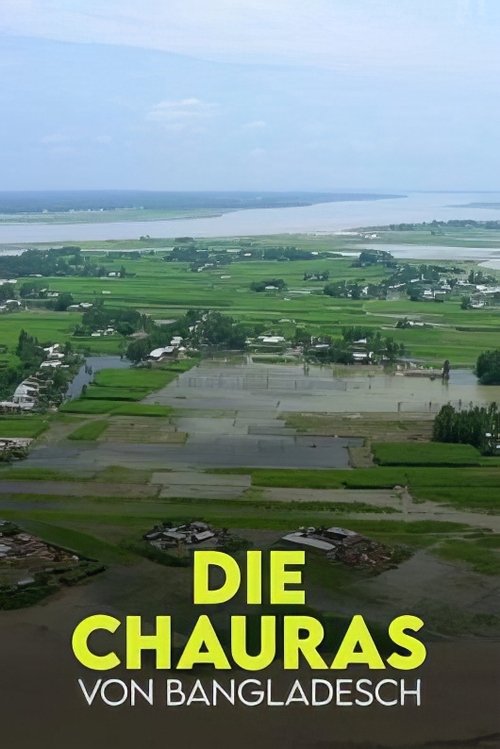
"Here was our home," says farmer Rahim Shorkar, and points to the water. “There were streets, schools and concrete buildings. We had everything." The river brings rich sediments that make the land fertile, but the Jamuna's generosity comes at a cost. Islands - known as chars - pop up at the river's whim. But they disappear just as quickly, and the people of the Jamuna must jump from island to island.
Comme si j'étais morte
It's a black number: the prostitution of minors. The main victims are young girls placed in children's welfare homes. Comme si j'étais mort recounts the sexual slavery suffered by three young women, and the struggle of educators to save them.
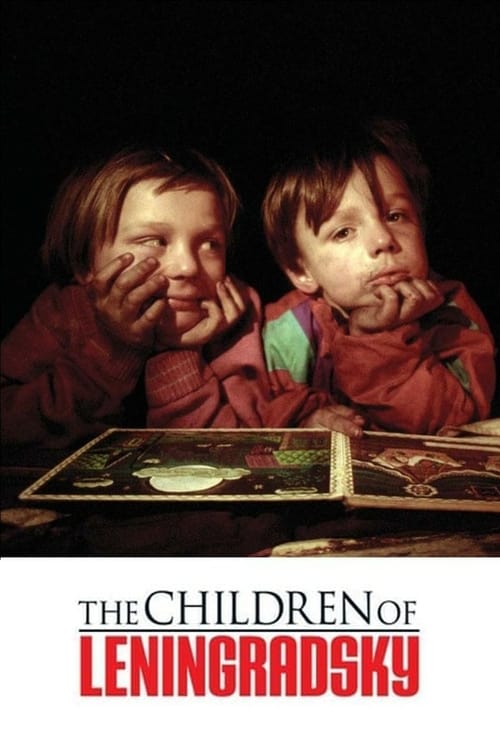
The Children of Leningradsky
Since the fall of the Iron Curtain an estimated four million children have found themselves living on the streets in the former countries of the Soviet Union. In the streets of Moscow alone there are over 30,000 surviving in this manner at the present time. The makers of the documentary film concentrated on a community of homeless children living hand to mouth in the Moscow train station Leningradsky. Eight-year-old Sasha, eleven-year-old Kristina, thirteen-year-old Misha and ten-year-old Andrej all dream of living in a communal home. They spend winter nights trying to stay warm by huddling together on hot water pipes and most of their days are spent begging. Andrej has found himself here because of disagreements with his family. Kristina was driven into this way of life by the hatred of her stepmother and twelve-year-old Roma by the regular beatings he received from his constantly drunk father. "When it is worst, we try to make money for food by prostitution," admits ...
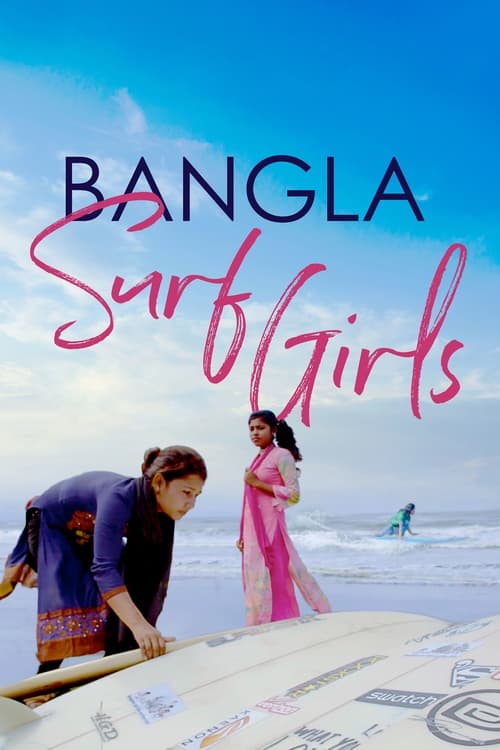
Bangla Surf Girls
Three working-class teenage girls in a port city in Bangladesh escape daily hardships and stifling family lives by riding waves on their surfboards and grabbing hold of the fleeting and thrilling sense of freedom that brings.
Schoolgirls for Sale
Japan’s obsession with cutesy culture has taken a dark turn, with schoolgirls now offering themselves for “walking dates” with adult men. Last year the US State Department, in its annual report on human trafficking, flagged so-called joshi-kosei osanpo dates (Japanese for “high school walking”) as fronts for commercial sex run by sophisticated criminal networks.

The Concert for Bangladesh
A film about the first benefit rock concert when major musicians performed to raise relief funds for the poor of Bangladesh. The Concert for Bangladesh was a pair of benefit concerts organised by former Beatles guitarist George Harrison and Indian sitar player Ravi Shankar. The shows were held at 2:30 and 8:00 pm on Sunday, 1 August 1971, at Madison Square Garden in New York City, to raise international awareness of, and fund relief for refugees from East Pakistan, following the Bangladesh Liberation War-related genocide.
The children trapped in Bangladesh's brothel village
Daulatdia is an entire village in Bangladesh dedicated to prostitution. Every day, 1,600 trafficked, enslaved and abandoned women and girls sell themselves for £2 a time. In the midst of the trade live 300 children, many born in the village. Some will be groomed to be the future of the business like their mothers and grandmothers. With education programmes and support provided by Save The Children, a few may find their way out.
Surviving Cyclones
Using film footage shot by the Genevese film director, Fernand Reymond, in Bangladesh in 1972, this documentary film describes the cyclone prevention programme drawn up by the governmental authorities and the League of Red Cross Societies. It particularly depicts the cyclone warning system set up to protect the population. (League Film Library Catalogue Supplement No. 2, p. 39)
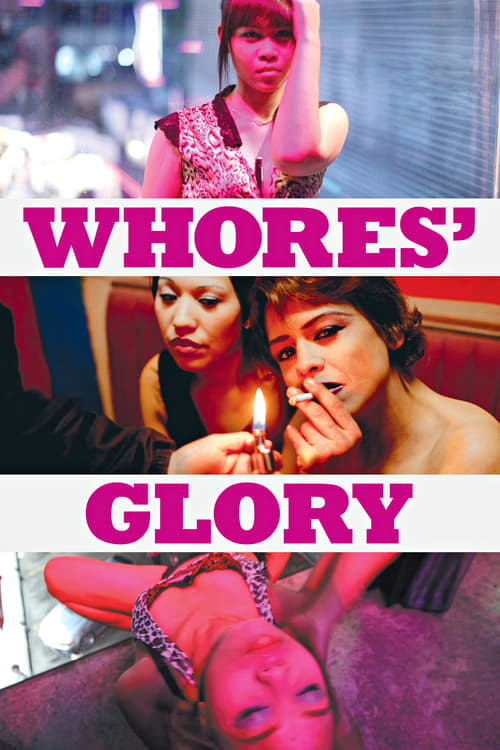
Whores' Glory
In Bangkok, Thailand, women punch a clock and wait for clients in a brightly lit glass box; in the red-light district of Faridpur, Bangladesh, a madam haggles over the price of a teenage girl; and in the border town of Reynosa, Mexico, crack-addicted women pray to a deity named Lady Death.

Handmade in Bangladesh
In short episodes Handmade in Bangladesh tells the stories of average working people who live in a rich cultural heritage of artisan handicraft and creativity. They invent many ways of recycling in order to make a living out of basically nothing, looking at it from the perspective of the affluent West, in the sense that “One man’s trash is another man’s treasure.” In this way Handmade in Bangladesh offers an alternative point of view to the often one-sided, negative media image of this young, independent country.
Streaming IPTV FAQ
Can I watch this title through IPTV?
Availability depends on your IPTV provider and the rights included in your subscription. This page uses TMDB data for discovery and does not host video content.