
Watch Room 999 in streaming IPTV
Room 999
Overview
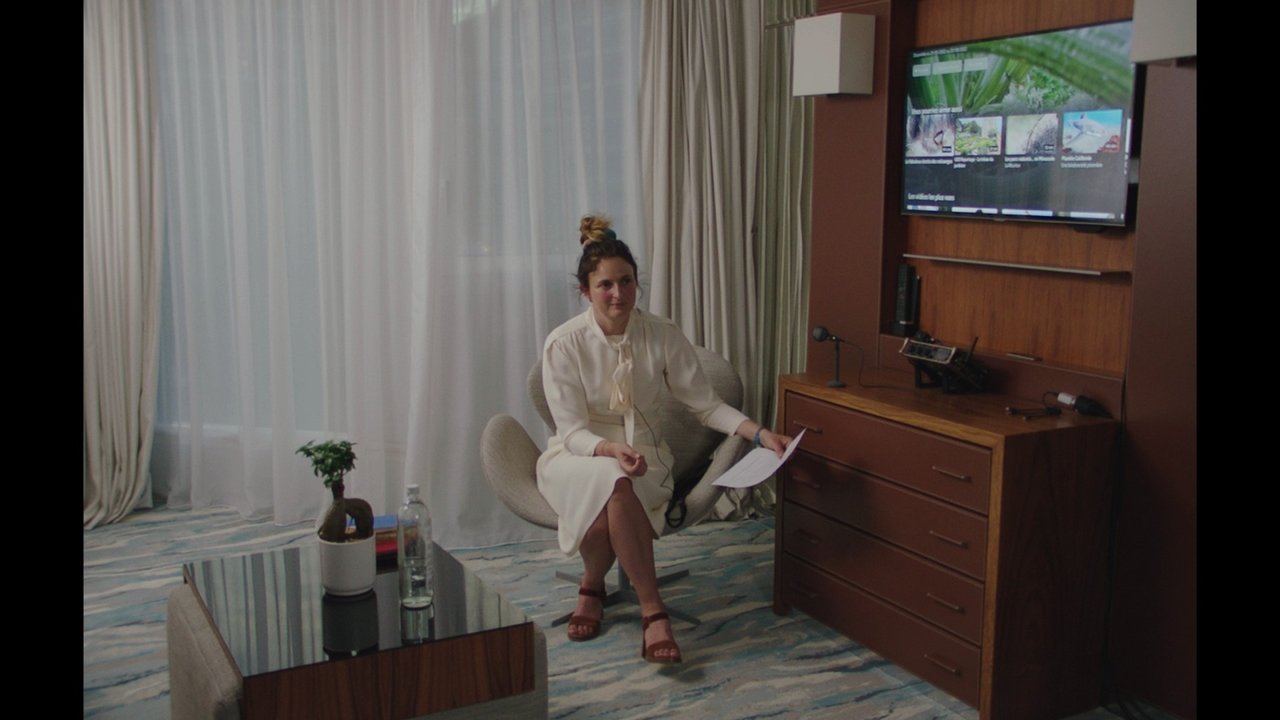
In 1982, Wim Wenders asked 16 of his fellow directors to speak on the future of cinema, resulting in the film Room 666. Now, 40 years later, in Cannes, director Lubna Playoust asks Wim Wenders himself and a new generation of filmmakers (James Gray, Rebecca Zlotowski, Claire Denis, Olivier Assayas, Nadav Lapid, Asghar Farhadi, Alice Rohrwacher and more) the same question: “is cinema a language about to get lost, an art about to die?”
Genres
Cast

Wim Wenders
Self

Audrey Diwan
Self

Pietro Marcello
Self

Joachim Trier
Self

David Cronenberg
Self

Claire Denis
Self

James Gray
Self

Rebecca Zlotowski
Self

Olivier Assayas
Self
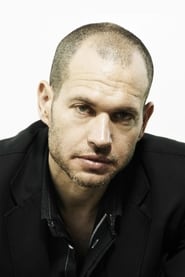
Nadav Lapid
Self
Similar titles
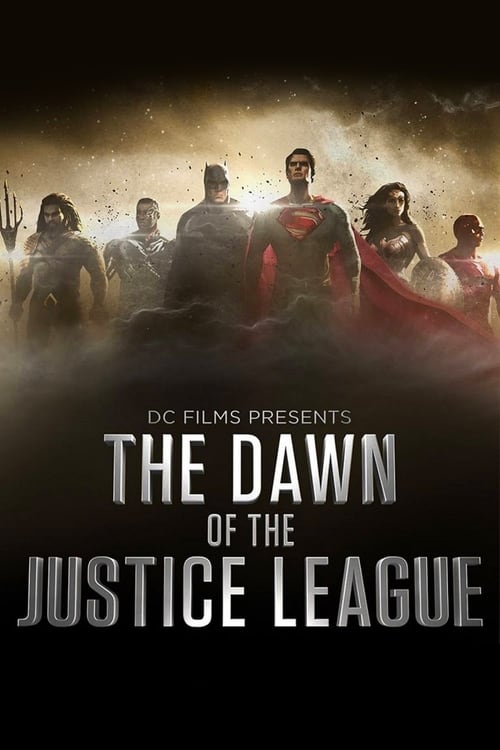
DC Films Presents Dawn of the Justice League
A documentary special taking a look at the upcoming films making up the DC Universe. Kevin Smith hosts with Geoff Johns, as they take a look at Batman vs Superman: Dawn of Justice, Suicide Squad, the upcoming Wonder Woman and Justice League movies.

Is the Man Who Is Tall Happy?
A series of interviews featuring linguist, philosopher and activist Noam Chomsky done in hand-drawn animation.
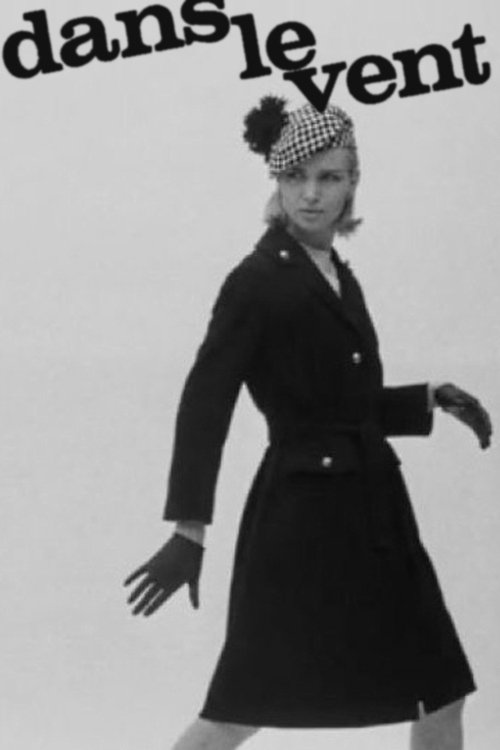
Dans le vent
Short subject on how fashion is created-- not by the great couturiers, but on the street.
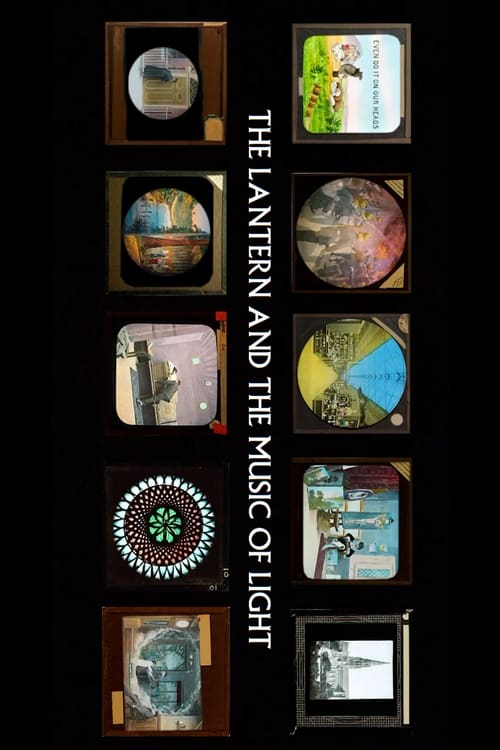
The Lantern and the Music of Light
The Magic Lantern was an projector of information and stories than preceded the cinema. How did its visual style translate into the moving image? This film traces the aesthetic narrative from the 19th century up until the 21st, calling in at the Victorians, Melies, Welles, Godard, Spielberg and Carly Rae Jepsen. It also shows how these techniques can inspire your own creativity.
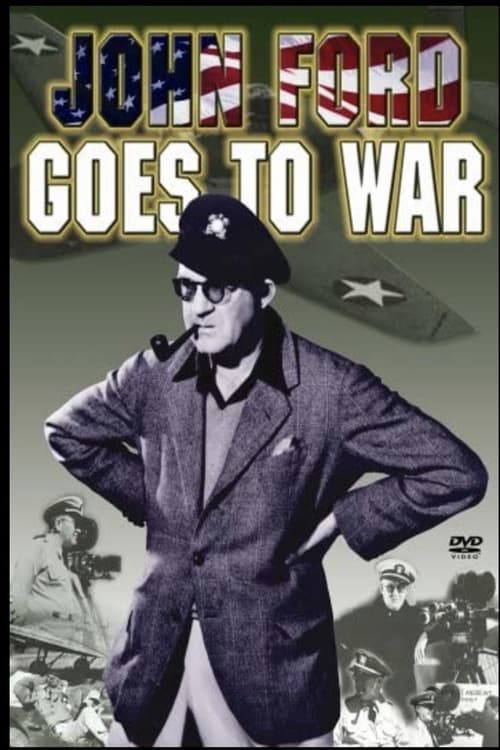
John Ford Goes to War
When World War II broke out, John Ford, in his forties, commissioned in the Naval Reserve, was put in charge of the Field Photographic Unit by Bill Donavan, director of the soon-to-be-OSS. During the war, Field Photo made at least 87 documentaries, many with Ford's signature attention to heroism and loss, and many from the point of view of the fighting soldier and sailor. Talking heads discuss Ford's life and personality, the ways that the war gave him fulfillment, and the ways that his war films embodied the same values and conflicts that his Hollywood films did. Among the films profiled are "Battle of Midway," "Torpedo Squadron," "Sexual Hygiene," and "December 7."
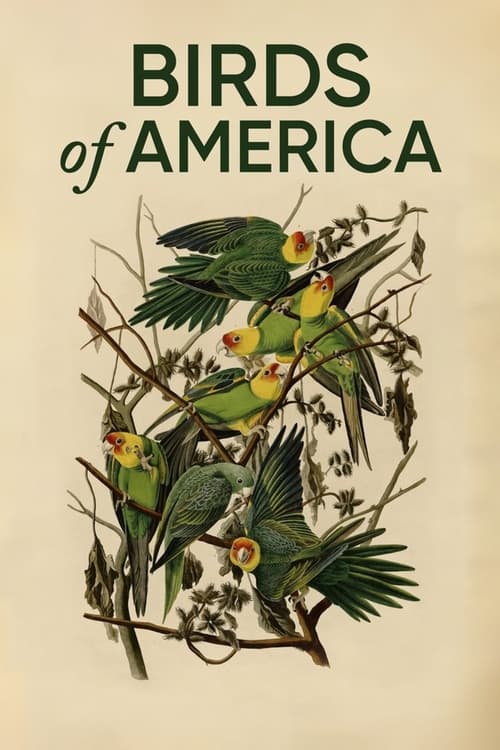
Birds of America
In the first half of the 19th century, the French ornithologist Jean-Jacques Audubon travelled to America to depict birdlife along the Mississippi River. Audubon was also a gifted painter. His life’s work in the form of the classic book ‘Birds of America’ is an invaluable documentation of both extinct species and an entire world of imagination. During the same period, early industrialisation and the expulsion of indigenous peoples was in full swing. The gorgeous film traces Audubon’s path around the South today. The displaced people’s descendants welcome us and retell history, while the deserted vistas of heavy industry stretch across the horizon. The magnificent, broad images in Jacques Loeuille’s atmospheric, modern adventure reminds us at the same time how little - and yet how much - is left of the nature that Audubon travelled around in. His paintings of the colourful birdlife of the South still belong to the most beautiful things you can imagine.
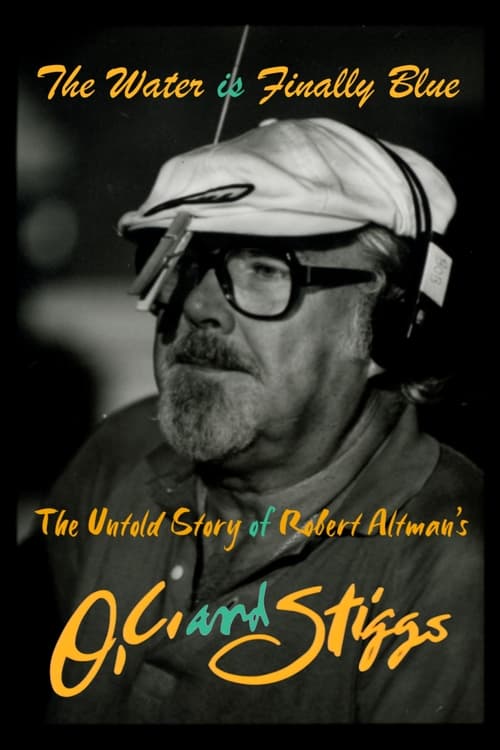
The Water Is Finally Blue: The Untold Story of Robert Altman's O.C. and Stiggs
An in-depth oral history of the production and development history of Robert Altman's "O.C. and Stiggs," featuring commentaries from the film's cast and crew.

Roland Emmerich - Weltenzerstörer, Weltenerbauer
Roland Emmerich himself and many of his companions provide insights into his life. With films such as Independence Day, 2012, and The Day After Tomorrow, he probably became the most successful director of disaster movies. But there were also failures.
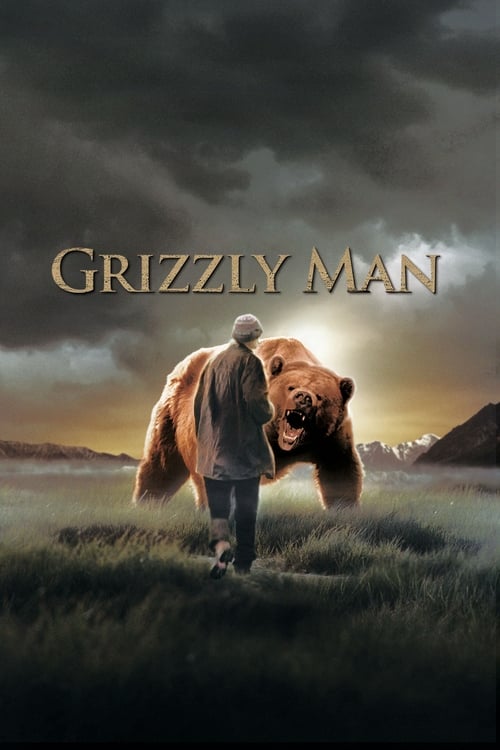
Grizzly Man
Follows the story of "Grizzly Man" Timothy Treadwell and what the thirteen summers in a National Park in Alaska were like in his attempt to protect the grizzly bears. The film is full of unique images and a look into the spirit of a man who sacrificed himself for nature.

Hong Kong Stories
A documentary about Hong Kong cinema mythology via Julien Carbon and Laurent Courtiaud’s experience as screenwriters in the HK film industry, working for Wong Kar-wai, Tsui Hark, Daniel Lee and Johnnie To
Streaming IPTV FAQ
Can I watch this title through IPTV?
Availability depends on your IPTV provider and the rights included in your subscription. This page uses TMDB data for discovery and does not host video content.