Overview
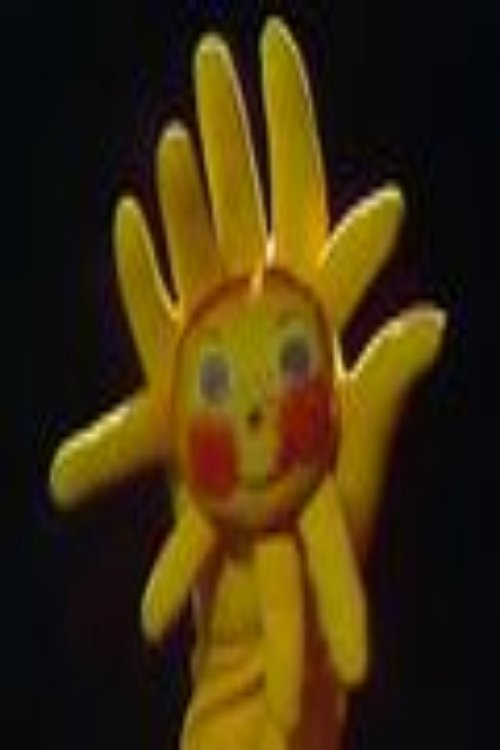
Slniečko is a children's TV show about the sun, named Sunny (Slniečko), as well as characters like Raťafák Plachta (Big Nose Blanket), Ruky Rukaté, and Míma Valentína.
Genres
Cast
Jozef Tichý
Míma Valentína
Jaro Filip
Himself
Marta Žuchová
Raťafák Plachta (Puppetry)
Dušan Štauder
Raťafák Plachta (Puppetry/Voice)
Similar titles

H.R. Pufnstuf
H.R. Pufnstuf is a children's television series produced by Sid and Marty Krofft in the United States. It was the first Krofft live-action, life-size puppet program. The seventeen episodes were originally broadcast from September 6, 1969 to December 27, 1969. The broadcasts were successful enough that NBC kept it on the Saturday morning schedule until August 1972. The show was shot in Paramount Studios and its opening was shot in Big Bear Lake, California. Reruns of the show aired on ABC Saturday morning from September 2, 1972 to September 8, 1973 and on Sunday mornings in some markets from September 16, 1973 to September 8, 1974. It was syndicated by itself from 1974 to 1978 and in a package with six other Kroft series under the banner Kroft Superstars from 1978 to 1985. In 2004 and 2007, H.R. Pufnstuf was ranked #22 and #27 on TV Guide's Top Cult Shows Ever.

Muffin the Mule
Muffin the Mule is a puppet character in British television programmes for children. The original programmes featuring the character were presented by Annette Mills, sister of John Mills, and broadcast live by the BBC from their studios at Alexandra Palace from 1946 to 1952. Mills and the puppet continued with programmes that were broadcast until 1955, when Mills died. The series then transferred to ITV in 1956 and 1957. A modern animated version of Muffin appeared on the BBC in 2005. The original mule puppet was created in 1933 by Punch and Judy puppet maker Fred Tickner for husband-and-wife puppeteers Jan Bussell and Ann Hogarth to form part of a puppet circus for the Hogarth Puppet Theatre. The act was soon put away, and the puppet was not taken out again until 1946, when Bussell and Hogarth were working with presenter Annette Mills. Shes named the puppet mule "Muffin", and it first appeared on television in an edition of For The Children broadcast on 20 October 1946.
Sooty & Co.
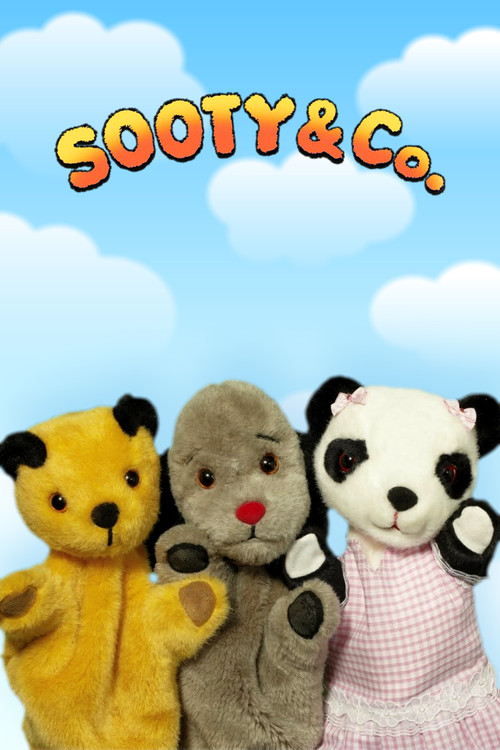
Second incarnation of the childrens puppet show, picking up almost directly where "The Sooty show" left off Sooty, Sweep, Soo and little cousin Scampi continue their adventures with Matthew.
Julie's Greenroom
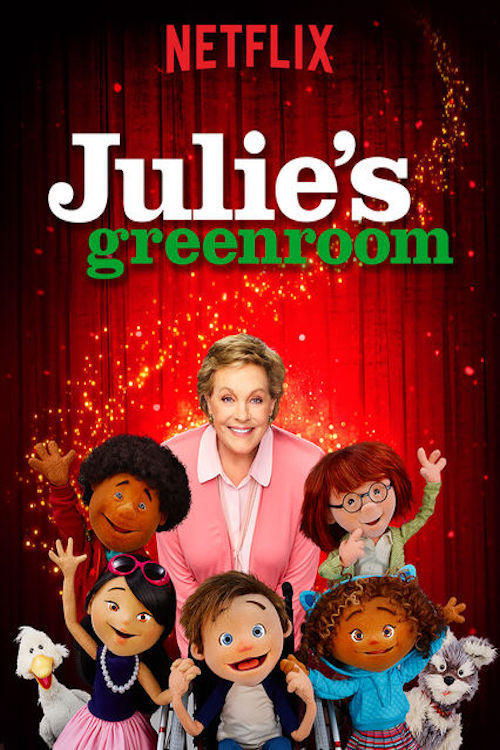
Ms. Julie teaches performing arts workshops with the help of her assistant Gus at their Wellspring Center for the Performing Arts.

Groundling Marsh
Groundling Marsh was a Canadian children's television series featuring puppets. The show was produced by Portfolio Film & Television Inc., Children's Television Workshop and J.A. Delmage Productions. It included songs and animated segments, and enjoyed a certain amount of success and popularity at during its time. The only merchandise produced for the show were videos and they are now exceptionally rare and no longer produced. In the United States, it aired on PBS and the Disney Channel. It received funding from the International Production Fund, formerly the Maclean Hunter Television Fund. This series premiered October 1, 1995. Groundling Marsh was nominated at the 12th Annual Gemini Awards for Best Preschool Program or Series. John Pattison was also nominated for a Gemini for the episode "Bah Hegdish". The show had its series finale on November 28, 1997. The show is still seen on Bell Media-owned educational station CTV Two Alberta in Canada.
The Shiny Show
The Shiny Show is a pre-school children's quiz show, broadcast by CBeebies. Each show featured a quiz with six questions, based around different subjects, and featured three star characters: Tigs the Tiger, Mukka the Monkey and Dogsby the Dog.

Pryor's Place
Pryor's Place is an American children's television series that aired on CBS. The live-action series starred comedian Richard Pryor as himself.
CBS Children's Film Festival
CBS Children's Film Festival is a television series of live action films from several countries that were made for children. Originally a sporadic series airing on Saturday mornings, Sunday afternoons, or weekday afternoons during the summer from 1967, it became a regularly scheduled program in 1971 on the CBS Saturday morning lineup, running one hour with some films apparently edited down to fit the time slot. The program was hosted by 1950s television act Kukla, Fran and Ollie, aka puppeteer Burr Tillstrom and actress Fran Allison. Kukla, Fran and Ollie were dropped from the series in 1977 and the program was renamed CBS Saturday Film Festival. In 1978 CBS canceled the show in favor of the youth targeted magazine 30 Minutes which was modeled after its adult sister show 60 Minutes. CBS canceled 30 Minutes in 1982 and brought back Saturday Film Festival which ran for two seasons until CBS cancelled it for good in 1984. Perhaps the most famous "episode" of the series was the 1960 British film Hand in Hand, the story of a deep friendship between two elementary school students, one a Roman Catholic boy and the other a Jewish girl. In addition to many American and British films, the series also featured motion pictures from Russia, France, Bulgaria, Japan, Sweden, Italy, China, Australia, South Africa, and Czechoslovakia as well as several other countries.

u&i
A show that aims to help children know and understand minorities such as those with disabilities or immigrant children. Each episode, a child with worries about a friend or another child they know wanders into a dream world where two mysterious creatures and a wise professor help them understand and empathize with the other child's troubles and forge a better connection with them.

Howdy Doody
Howdy Doody is an American children's television program that was created and produced by E. Roger Muir and telecast on the NBC network in the United States from December 27, 1947 until September 24, 1960. It was a pioneer in children's television programming and set the pattern for many similar shows. One of the first television series produced at NBC in Rockefeller Center, in Studio 3A, it was also a pioneer in early color production as NBC used the show in part to sell color television sets in the 1950s.
Streaming IPTV FAQ
Can I watch this title through IPTV?
Availability depends on your IPTV provider and the rights included in your subscription. This page uses TMDB data for discovery and does not host video content.