Overview
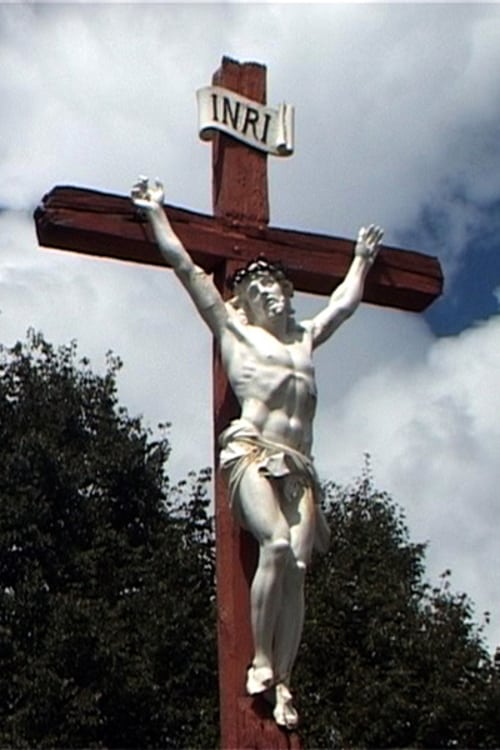
At first glance, Jean-Claude Rousseau’s films seem like quickly outlined sketches. They are snapshots of various situations and locations, as in this program of nine miniatures, shot in hotel rooms and parks, at the shore of a lake, and – in the longest contribution – on a restaurant terrace. Rousseau’s observations of everyday life, however, are about precision rather than contemplation. With each minute that passes, they sharpen the view of the observant and expectant outsider for a moment of surprise – be it a jump into the water or a huge crucifix.
Genres
Similar titles
Invisible
Shot in black and white, Invisible merges performance art and personal documentary to reflect personal and shared experiences during the military coup. Set in an abandoned building where many young revolutionists sought refuge, the seemingly invisible experiences of displacement, loss, suffering and anger are made visible through words and subtle movements.
good boy
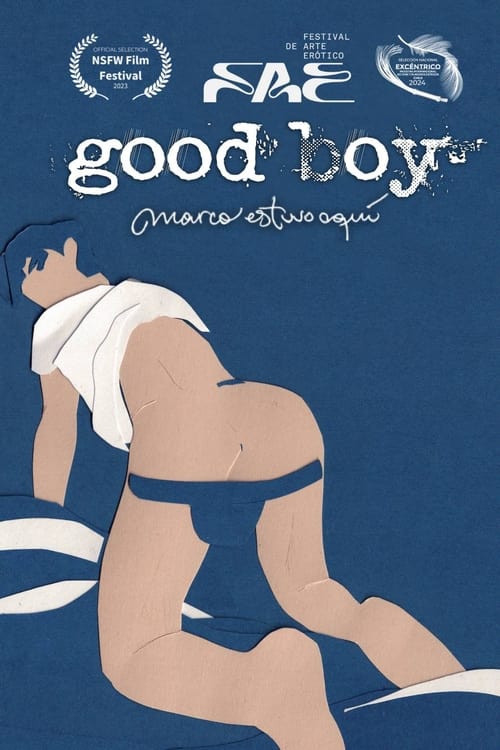
The author's erotic imagination is mixed between desire and magazine clippings, and the trade of collage becomes a ship that travels from outer space to the city itself.

Running Fields IV
Twenty-four images of a camera running in the woods, a moonlight and a cemetery through improvised gestures, mechanical abstraction and saturated colors

Afloat
'Afloat' is an experimental film that paints a portrait of Japanese performance artist: Ayumi Lanoire. The film opens as a telephone call between Ayumi and Person X, which meanders the audience through the various layers that make up her personas leading one to wonder whether she is in fact a myth or reality.
Nathaniel Dorsky: An Interview
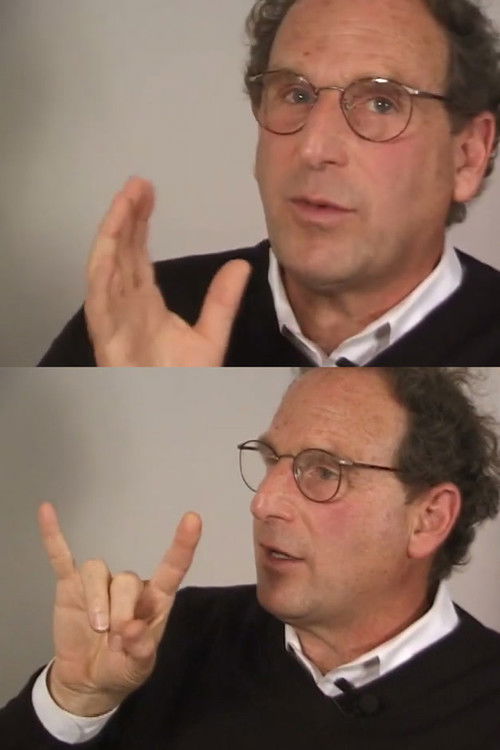
In his contribution to the On Art and Artists interview series, Nathaniel Dorsky (b.1943) begins by discussing his childhood love of the John Ford film Stagecoach and its influence upon his decision to make films while attending Antioch College. Describing the affinity he developed for work operating at the intersection of film materiality and personal language, Dorsky explains how he developed his philosophy of the “devotional film” and the “microcosmic viewer.” Dorsky likens his practice to Buddhist sculpture, referring to himself as a “Japanese poet continuing aspects of the ethos of the Marxist revolution.” In the interview, the artist describes his use of the screen as an “altarpiece for the image” and emphasizes his use of editing to create works which “harmoniously coalesce.” Interview conducted by Jeffrey Skoller in May 2000, edited in 2014.
The Hypergaussian Wars
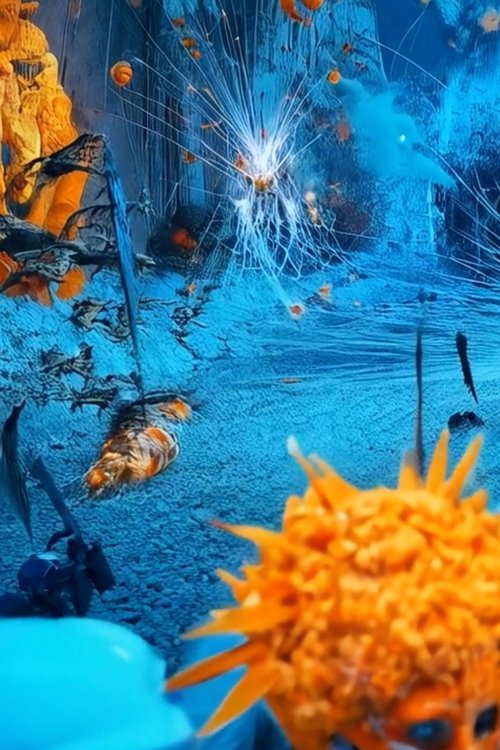
The Hypergaussian Wars is an AI-generated feature-length audiovisual work exploring algorithmic warfare, obsolete media and the transformation of images through repetition, saturation and collapse. Built from thousands of generated images, synthetic landscapes and references to 14th–16th century painting, the film stages a continuous conflict between historical visual culture and contemporary computational systems. Fragments of obsolete video games, ruined architectures, military simulations and post-human figures circulate through increasingly unstable environments. Rather than telling a linear story, the film operates as an image system in which visual excess progressively erodes meaning. The Hypergaussian Wars reflects on memory, obsolescence, artificial intelligence and the persistence of images after their original function has disappeared.
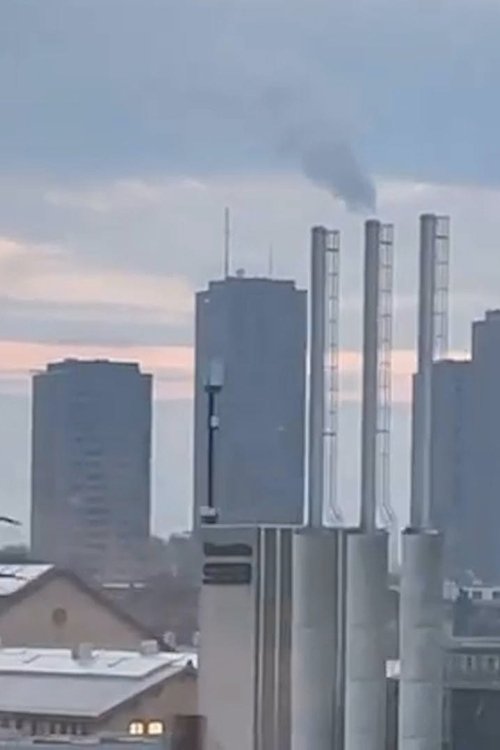
Wenn wir blinken können wir das Rauschen sehen
A camera rotates around the same four towers. Seasons, weather conditions and the positions of the camera change over the course of the film. The sound goes round in circles and drifts in variations.
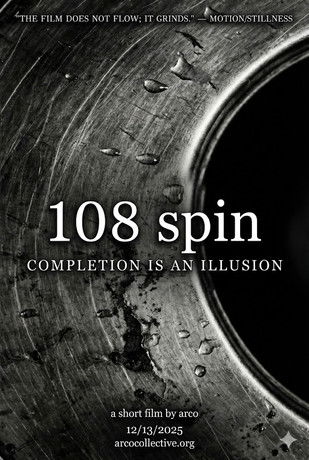
108 spin
A kinetic prayer and structuralist intervention. Shot entirely on an iPhone 11 in a desolate Midwest laundromat, 108 spin documents the mechanics of impermanence. The film shifts from heavy turbulence to suspended repetition—not as a path to completion, but as a study of the loop itself. Featuring a layered soundscape, the work asks the viewer to stare into the rotation until the noise becomes a mantra.
FUCK TV
After concluding the now-legendary public access TV series, The Pain Factory, Michael Nine embarked on a new and more subversive public access endeavor: a collaboration with Scott Arford called Fuck TV. Whereas The Pain Factory predominantly revolved around experimental music performances, Fuck TV was a comprehensive and experiential audio-visual presentation. Aired to a passive and unsuspecting audience on San Francisco’s public access channel from 1997 to 1998, each episode of Fuck TV was dedicated to a specific topic, combining video collage and cut-up techniques set to a harsh electronic soundtrack. The resultant overload of processed imagery and visceral sound was unlike anything presented on television before or since. EPISODES: Yule Bible, Cults, Riots, Animals, Executions, Static, Media, Haterella (edited version), Self Annihilation Live, Electricity.
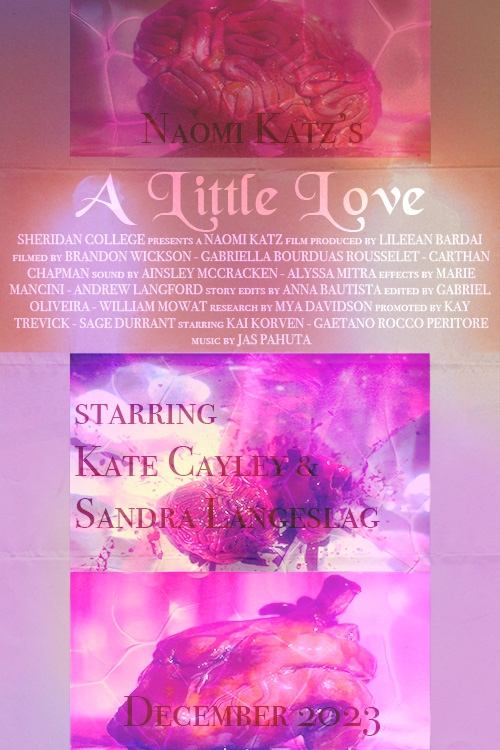
A Little Love
Through interspersed conversation and prose, this experimental documentary follows a poet and a neuroscientist as they explore the definition of love, what it means, and why it matters.
Streaming IPTV FAQ
Can I watch this title through IPTV?
Availability depends on your IPTV provider and the rights included in your subscription. This page uses TMDB data for discovery and does not host video content.